The Federal Trade Commission said a federal court has temporarily halted an alleged debt-collection scheme that, according to the agency, relied on illegal and deceptive tactics to extract payments on debts consumers often did not owe.
The court’s temporary restraining order, issued on Nov. 5, 2026, freezes the defendants’ assets and, the agency said, puts the business in the hands of a receiver appointed by the court while the litigation moves forward. “Pretending to be a law firm or affiliated with attorneys and threatening to contact consumers’ employers and family members to induce consumers to pay debts they do not owe is illegal,” said Christopher Mufarriage, Director of the FTC’s Bureau of Consumer Protection.
In a complaint, the FTC named McDonnell & Associates LLC, which used the names First Capital Group, Maxwell & Bryant Group, and Lewis, McDonnell & Associate LLC, along with owners Oscar Gerardo Gonzalez Martin and Oscar Ruiz Canela. The agency said they misrepresented themselves as a law firm or as linked to lawyers and used high-pressure tactics, including deceptive voicemail messages, threats to reach out to employers and relatives, and warnings of lawsuits, wage garnishment, and property liens. The FTC said these threats were deceptive because the defendants did not take those actions and did not intend to.
The complaint also alleged the defendants failed to make legally required disclosures, such as stating that they were debt collectors and that any information provided would be used to collect a debt, and did not send required validation notices identifying the amount of the debt and the creditor. The FTC said most people either did not owe the stated debts, or the defendants did not have authority to collect them, yet consumers often paid hundreds of dollars or more. In total, the FTC said consumers have paid more than $20 million to the defendants.
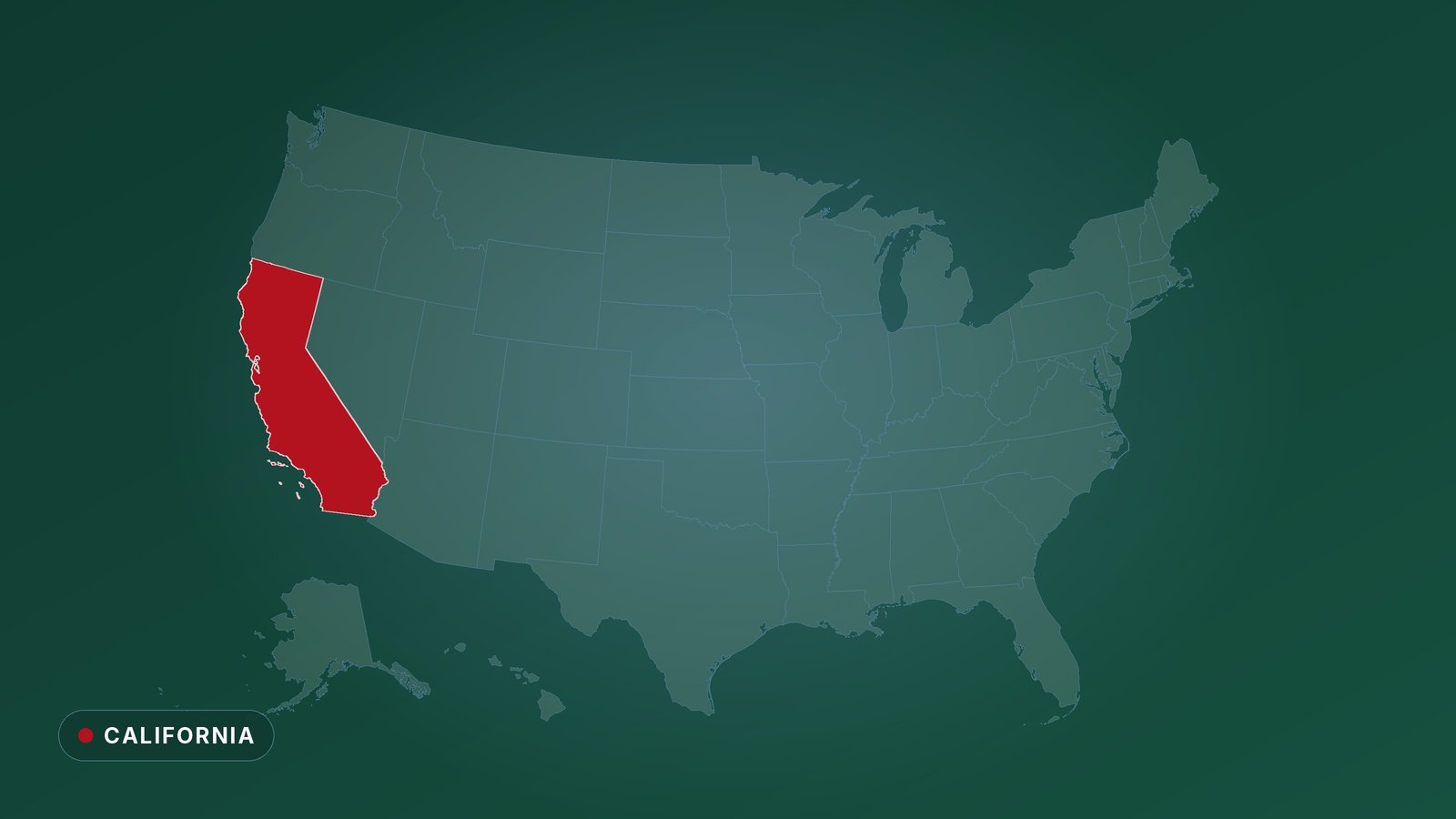
The agency alleges violations of the FTC Act, the Fair Debt Collection Practices Act and the Gramm-Leach-Bliley Act. The Commission vote authorizing staff to file the complaint was 2-0. The complaint was filed in the U.S. District Court for the Central District of California.
The FTC said it files a complaint when it has reason to believe the law is being or is about to be violated and when bringing a case appears to serve the public interest. The court will decide the matter.