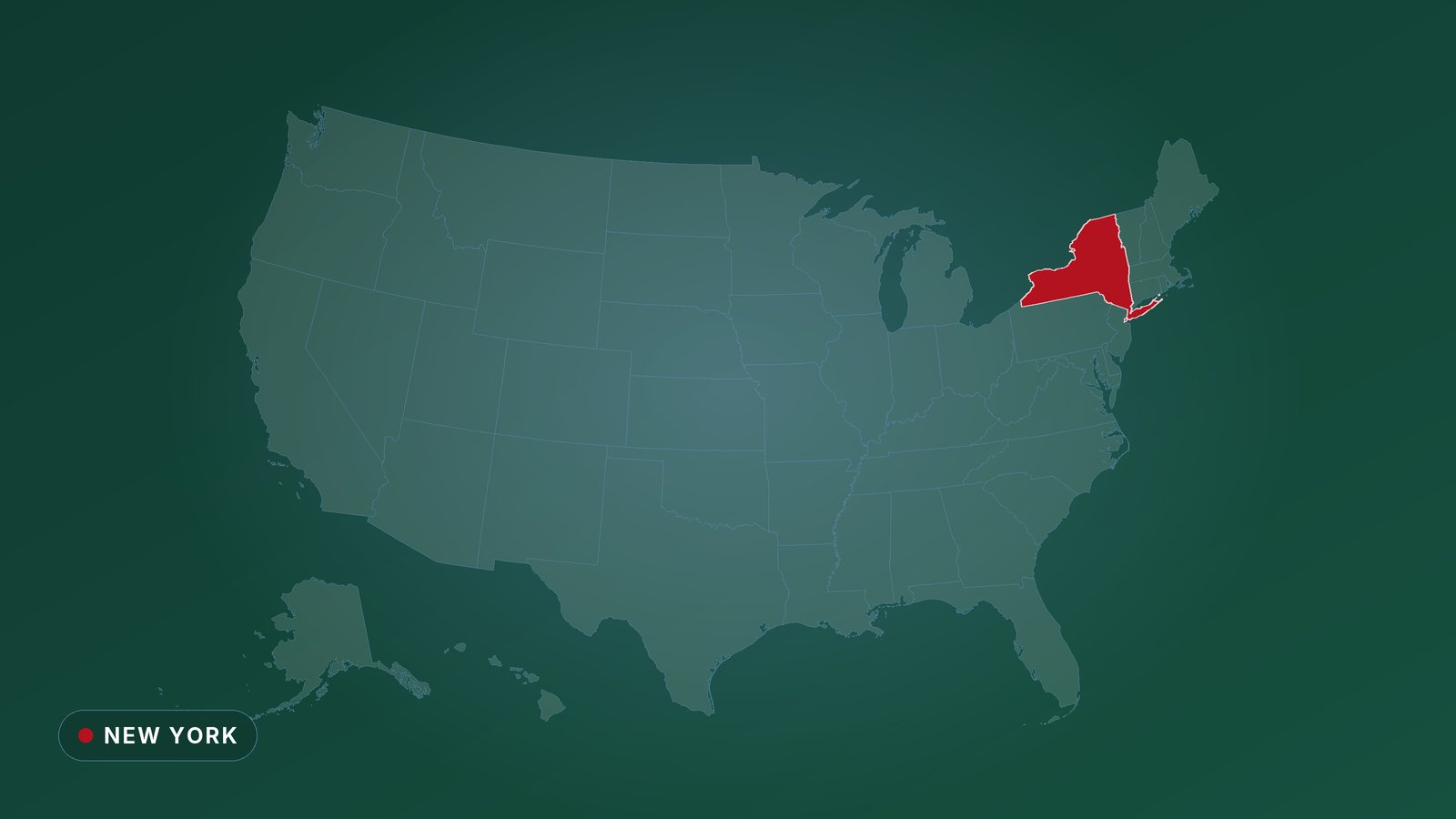
The Federal Trade Commission on Monday announced an agreement with Stream Auto Outlet, resolving claims that the Long Island, N.Y.-based dealership group deceived consumers by advertising prices far lower than what buyers ultimately paid.
“Buying a car is one of the largest purchases many consumers make, and they deserve clear, transparent information about what they will pay,” said Christopher Mufarrige, Director of the FTC’s Bureau of Consumer Protection. He said hidden costs and deceptive pricing harm consumers and competition and that price transparency remains a top priority for the agency.
The proposed order bars Stream Auto from misstating what a vehicle will cost or the terms to obtain one, the FTC said. It also requires any price ad to clearly show the real amount a buyer must pay for the vehicle, except for charges mandated by the government.
The complaint says Stream Auto drew shoppers to its stores with online listings at artificially low prices, then refused to honor those prices. The FTC said the company added required down payments totaling thousands of dollars above the listed price. The complaint says Stream Auto’s websites obscured information about the required down payment by placing it in a small-print disclaimer on a “details” page hidden behind a popup and among other disclosures.
The FTC said it warned Stream Auto in a March 2026 letter that advertising a price that does not include all required fees is an example of an illegal pricing practice. Despite promoting “NO FEES. NO GAMES. JUST CARS,” the dealership group continued to charge consumers thousands more than the advertised amount through various dealer fees and unwanted add-on charges, according to the complaint.
The Commission vote to authorize staff to file the complaint and stipulated final order was 2-0. The filing went to the U.S. District Court for the Eastern District of New York. Such stipulated orders carry the force of law once a district judge approves and signs them, the FTC said.
The Commission said it is pushing price transparency in several areas, such as grocery delivery, rental housing, sports and concert tickets, and auto sales and leasing.