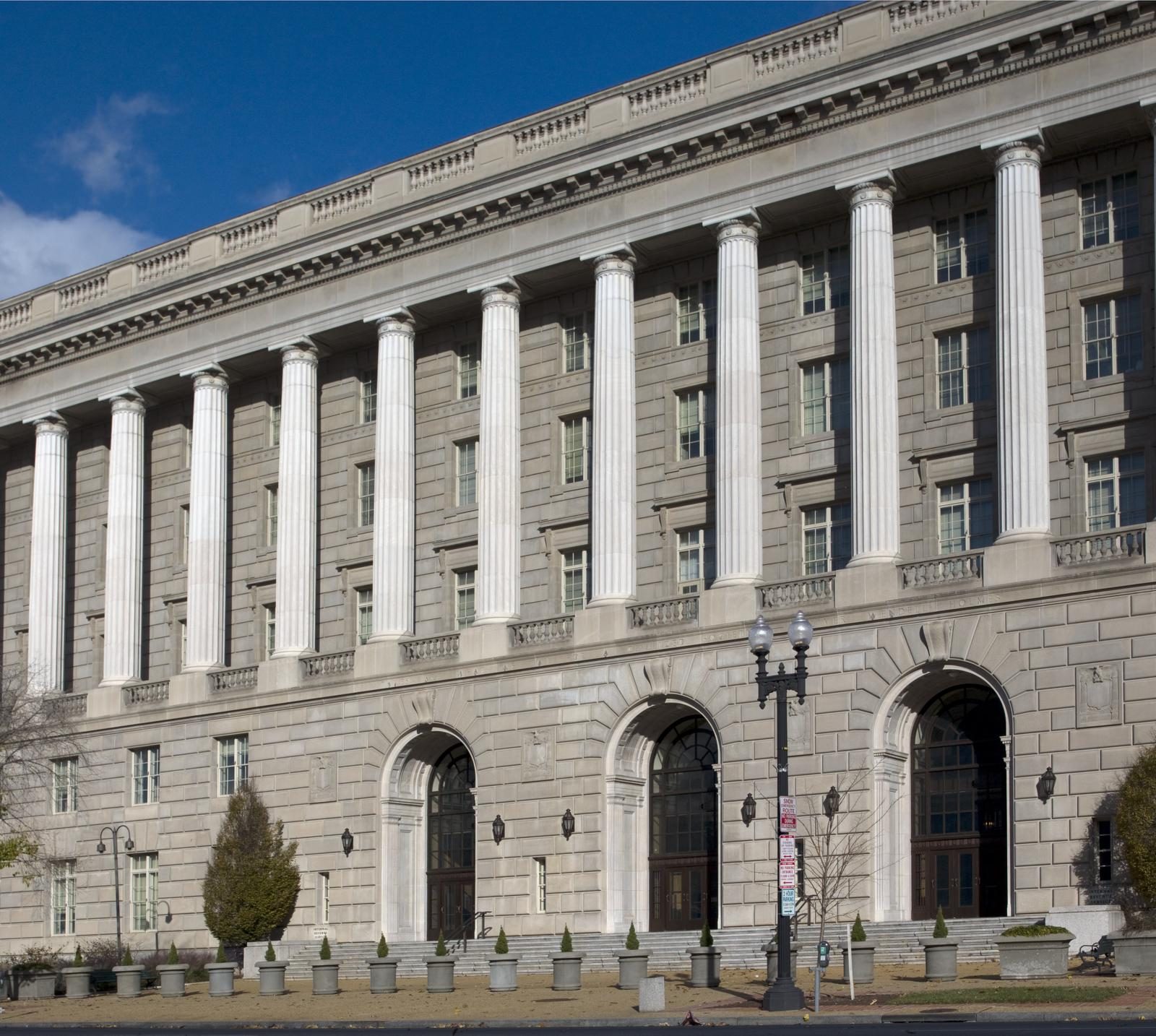
An IRS impersonation scam is a contact that pretends to come from the Internal Revenue Service in order to obtain money or personal information. The Internal Revenue Service (IRS) says knowing how and when the agency makes contact helps people protect themselves from impersonators. The Federal Trade Commission (FTC) describes a similar pattern: someone claiming to represent a government agency demands payment or personal details, or warns that a benefit will be lost.
Warning signs of a fake contact
According to the IRS, a phone call, email or text message is not from the agency if it is unexpected, rushes the recipient, threatens the recipient, asks for personal or financial information, or demands immediate payment. A social media direct message is never from the IRS. The agency says people who receive a suspicious contact can report it.
The FTC says an IRS impersonator may claim that taxes must be paid immediately and may threaten arrest, deportation or revocation of a driver’s license. The caller may already have a name, a home address, a Social Security number or a federal tax identification number. Caller identification can display a real agency name or phone number and still be fake, the FTC says.
The FTC says government impersonators may also claim to work for the FTC, the Social Security Administration or Medicare, or may use a made-up agency name. They may offer an employee identification number to sound official. The FTC says real government agencies will not call, email, text or use social media to ask for money or personal information.
How the IRS makes contact
The IRS says it normally contacts a person the first time by mail delivered by the U.S. Postal Service. Some letters are sent by private collection agencies. To check a notice, the IRS says to search IRS notices and letters. Notices can also be received through an IRS online account if a person signs up for that service.
Email is sent only when a person opts in, according to the IRS. Account notifications come from an address ending in irs.gov. IRS News Bulletin emails come from irs@service.govdelivery.com. Text messages are sent only when a person opts in, and they use specific short codes.
The IRS or a private collection agency may call about account matters. Automated phone messages, when used, direct a person to IRS.gov to manage an account, make a payment or resolve an issue, and they do not share specific details. The IRS might also send a fax to verify or request employment information.
The FTC states a narrower picture of IRS calls. It says the IRS will not email, text or message on social media with threats or payment demands, and will not call about taxes unless an appointment was arranged. Private debt collectors may call only after two mailed letters, one from the IRS and one from the collector, the FTC says. A collector working for the IRS will not ask for payment by phone, and neither the IRS nor its collectors will demand a wire transfer, gift card, cryptocurrency or payment-app payment, or threaten arrest, according to the FTC.
Visits and the identification employees carry
In-person visits are uncommon, the IRS says. Unannounced visits are rare, and the agency generally sends a letter before a visit. Only four types of employees may visit a home or business, and each carries official identification.
Revenue agents are civilian employees who conduct examinations, also called audits, and review financial records. They may meet at an IRS office or visit a home, business or accountant’s office. Before a visit, the agent contacts the person by mail and may later call. If information is needed from someone else, the agent mails that person a letter and may then call. A summons may be issued by mail or in person.
Revenue officers are civilian employees who help resolve returns and taxes owed and explain rights, obligations, options and consequences. Before a visit, the officer mails Letter 725-B or calls to arrange the visit. The IRS says an appointment can be confirmed by calling the phone number on the letter. Officers mail several notices and visit if repeated contact attempts go unanswered. If tax is owed, payment may be made to the officer in cash, by check, in certified funds or by money order payable to “United States Treasury,” or online.
When employment tax falls behind, the IRS sends a Federal Tax Deposit alert. The officer calls before mailing a balance-due notice and mails Letter 5857, FTD Alert Telephone Contact, with a call time. The IRS says that call time can be confirmed or rescheduled by using the number on the letter.
IRS Criminal Investigation special agents are sworn federal law enforcement officers and the only armed IRS employees. They investigate tax and related financial crimes, including money laundering. They may visit or call without notice as part of a criminal investigation, and they may call or email with questions tied to that investigation. They do not work civil tax cases and do not demand payment. The IRS says their identity can be checked with the IRS-CI Employee Verification tool, which is not available during every enforcement action.
Fuel inspectors visit without notice at sites in the taxable-fuel industry, including refineries, terminals, wholesalers, retailers and end users. They conduct an interview and tour, gather information and explain how to comply with fuel tax laws.
Revenue officers, revenue agents and fuel inspectors carry an IRS-issued pocket commission and an HSPD-12 card. Both show a serial number and a photo. An additional identification may be requested from revenue agents and fuel inspectors. Fuel inspectors also wear uniforms and drive government vehicles. Special agents present law enforcement credentials. The IRS says a person who feels unsafe should call 911. If the identifications are not shown, or they seem uncertain, the IRS says to call the number on the card provided by the revenue officer or agent.
How to report a suspicious message or call
The IRS says the report depends on the type of contact. For a suspicious email, the agency says not to reply, click links or open attachments. The message should be sent to phishing@irs.gov, with the subject line “IRS” if it is IRS-related or “Treasury” if it is Treasury-related. It can be saved and attached, sent with a forward-as-attachment option, or sent with its email header. A plain forward strips data used to identify the sender, the IRS notes. The same report can go to the Treasury Inspector General for Tax Administration (TIGTA). The IRS then says to delete the email. A report can also go to the FTC.
For a suspicious text, the IRS says not to reply, click links or open attachments. The sender’s number, the message, the recipient’s number, and the date, time and time zone should go to phishing@irs.gov with the subject line “Text.” The original text should then be deleted. Forwarding the text to 7726 helps the wireless provider spot similar messages, the IRS says, and the FTC also accepts reports.
A social media account claiming to be the IRS should be reported to the social media provider. The full web address of the account should be sent to phishing@irs.gov with the subject “Social media.” The IRS says reports can also be considered for TIGTA, the FTC and the Internet Crime Complaint Center.
For a suspicious IRS-related phone call, the IRS says to record the number, hang up and report it to the TIGTA hotline or call 800-366-4484. A suspicious tax-debt-relief call should also be recorded and ended, then reported to the Federal Communications Commission and the FTC. The FTC says not to return the call using the number the caller gave or the number on caller identification. It says tax-account information can be viewed online, or the IRS can be called at 800-829-1040, and that IRS impersonators can be reported to TIGTA at tigta.gov.
A letter claiming to be from the IRS can be checked by searching IRS notices and letters, the IRS says. A letter about an unclaimed refund, a tax lien, tax-debt relief or another scam can be reported to the United States Postal Service and the FTC, and the state attorney general’s consumer-protection office can be contacted. A suspicious fax, email or letter about Form W8-BEN should be reported to phishing@irs.gov with the subject line “W8-BEN,” and to TIGTA. If money or identity was stolen, the IRS says to report the fake message and follow its steps for people who were scammed. The FTC says personal information given to a scammer can be addressed through IdentityTheft.gov, and that impersonation scams can be reported at ReportFraud.ftc.gov.
Reports from businesses and tax professionals
If a business received a phishing email seeking Form W-2 data and sent the information, the IRS says to email dataloss@irs.gov with the subject line “W-2 data loss.” The message should include the business name, the employer identification number tied to the loss, a contact name and phone number, a summary of how the loss occurred and the number of employees affected. Employee personally identifiable information should not be attached. The phishing email should also go to phishing@irs.gov with the subject “W-2 scam,” with a note that the business was a victim. If the business did not reply, the email still goes to phishing@irs.gov with that subject. A report can also go to the Internet Crime Complaint Center.
A tax professional who had a security or data breach should contact the stakeholder liaison, the IRS says. A suspicious email, including one posing as a prospective client or an electronic-filing identification number scam, should go to phishing@irs.gov with the subject “Spearphishing,” and should also be reported to TIGTA. It can be reported to the FTC and the Internet Crime Complaint Center as well. An email about an investment or stock purchase involving advance fees, penalties, taxes or suspicious IRS or Treasury documents should go to phishing@irs.gov with the subject “Stock,” and a tip or complaint should go to the U.S. Securities and Exchange Commission.
A website that charges for an employer identification number can be disputed with the bank or card company and reported to the FTC, the IRS says. The IRS issues that number at no charge. The IRS also says it does not permit use of the IRS name or logo in phishing exercises, including look-alike spellings.