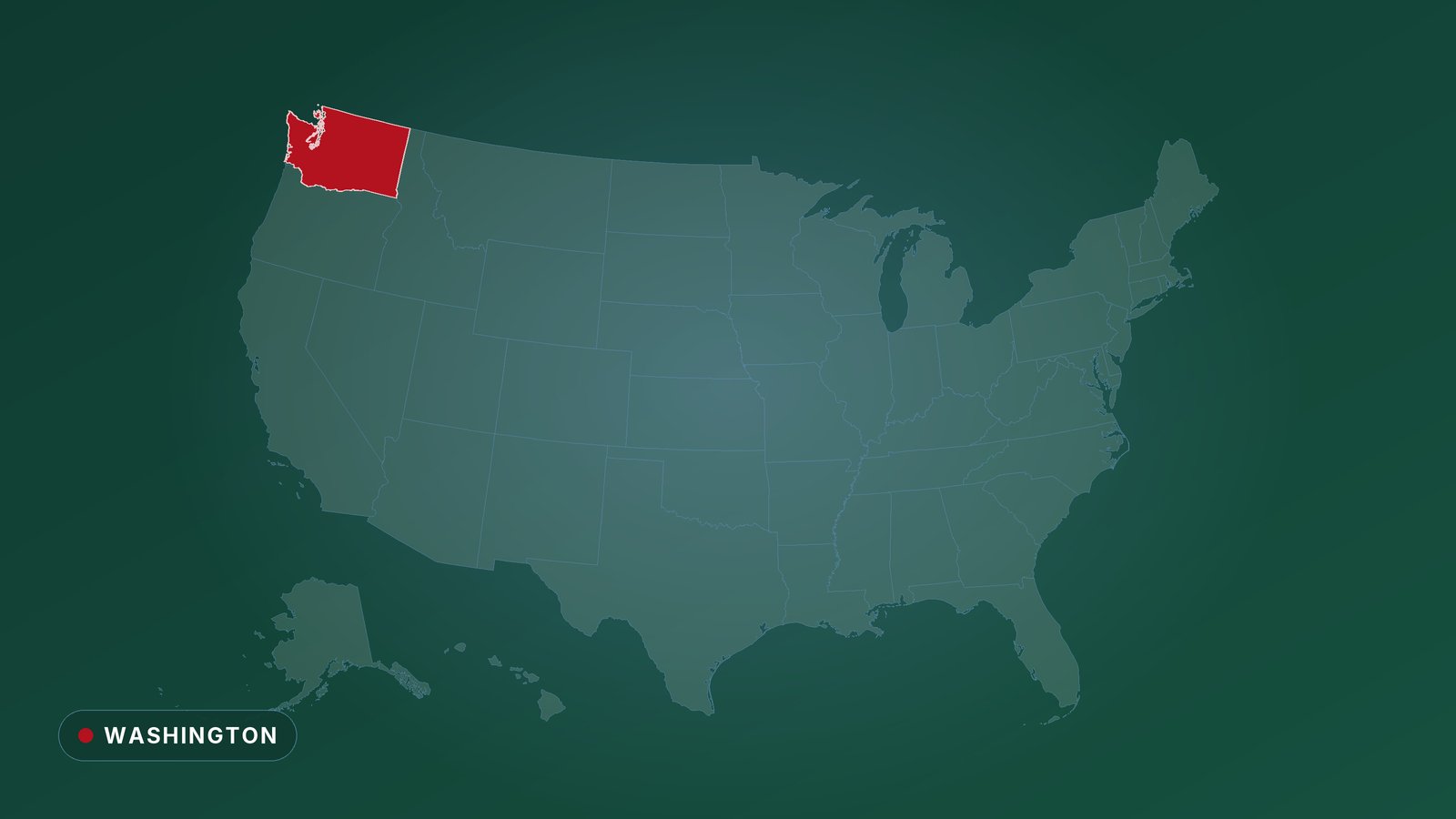
Payment processor Riverside Payments Inc., its affiliate Cascade Equipment Leasing LLC and their operators will pay $600,000 to resolve allegations by the Federal Trade Commission and the state of Washington. The agencies say the firms deceived small businesses about savings on payment processing and made it nearly impossible to cancel. The FTC announced the proposed settlement on Monday.
The allegations are contained in a complaint, and the defendants are presumed innocent unless proven otherwise in court. The proposed order must be approved and signed by a judge of the U.S. District Court for the Western District of Washington before it has the force of law, according to the FTC. The FTC and Washington filed the complaint and the order in that court.
The complaint names Riverside, Cascade and their owners and executives, Brandon Skinner and Jason Reese. It says they promised small businesses savings but did not clearly tell them they were being enrolled in automatically renewing contracts for processing services and equipment leases.
“The FTC will hold accountable companies that deceive small businesses,” said Christopher Mufarrige, Director of the FTC’s Bureau of Consumer Protection.
According to the complaint, Riverside’s sales pitches used a quote sheet that compared a business’s current costs with projected savings. The agencies allege Riverside at times claimed businesses could save 40% to 60%, but those that switched typically paid more than they had before. The quote sheet left out fees, including activation fees, batch fees, and fees for supposed data security non-compliance or inactive processing, the complaint says.
The complaint also says key terms were buried in a 26-page electronic contract and were not clearly disclosed by sales agents. These included automatic renewal after an initial three-year term and a $695 early termination fee. They also included the cost of leasing payment machines from Cascade, under a contract that renewed automatically and ran one year longer than the processing contract.
The agencies allege Riverside promised a “no-risk” guarantee, including that customers could cancel anytime without penalty. The complaint says the company also falsely claimed it would switch unhappy customers back to their original processor and pay them $500 for their “time and hassle.” Businesses that tried to cancel typically did not hear back and were often stuck in a loop of phone calls, the complaint alleges. It says some were told there was no direct line to cancel and that promised callbacks often never came.
The complaint further alleges Riverside made false claims about what its commission-based sales agents could earn. Its ads said agents could make $75,000 to $95,000 a year, and top agents “100k.” The complaint says agents averaged $3,787 per year.
The FTC alleges the practices violated the FTC Act and the Gramm-Leach-Bliley Act. It says the firms violated the latter by obtaining consumers’ financial information through false or fraudulent statements.
The proposed order imposes a $32,083,921 judgment against Riverside, Skinner, Reese and Cascade. The judgment will be suspended once they pay $600,000, because of their stated inability to pay the full amount. The full amount becomes due if they are found to have lied about their finances.
The order requires the defendants to notify customers that Riverside will, for 60 days, waive the early termination fee or any penalty for rescinding merchant-processing agreements. It bars them from misrepresenting costs, savings, cancellation terms or other material facts, and from making unsubstantiated savings or earnings claims. It also bars them from misrepresenting any part of a negative option feature, which is a plan that bills customers until they cancel.
The defendants must also clearly disclose all material terms before getting a customer’s billing information. They must get express informed consent for any negative option plan and provide a simple way to cancel. The Commission voted 2-0 to authorize the filing.