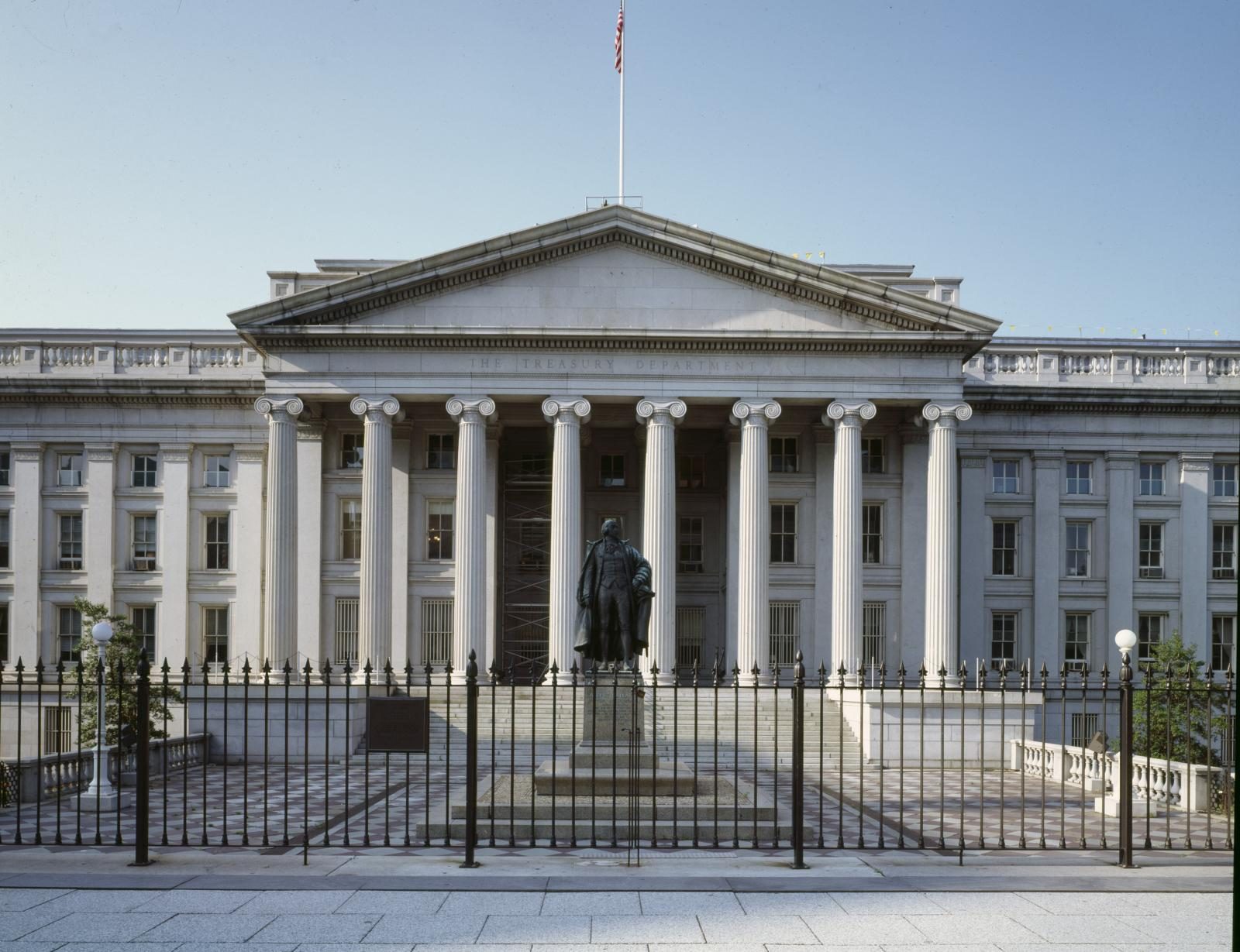
The U.S. Department of the Treasury and the Internal Revenue Service on Tuesday issued final regulations regarding auto-enrollment processes for specific 401(k) and 403(b) workplace saving accounts.
The regulations implement a provision of the SECURE 2.0 Act. The departments said the rules are intended to help more Americans save for retirement through their workplaces while preserving employee control over their contributions.
Under the rules, covered retirement plans generally must automatically enroll eligible employees at a contribution rate of 3%. After an initial participation period, the default rate generally must rise by at least one percentage point annually until it reaches at least 10%, subject to a 15% maximum. Employees may opt out of the enrollment or choose a different contribution rate.
The Treasury Department estimates the provision expanding automatic enrollment will boost retirement savings by an average of $4.2 billion per year during the 2023 to 2032 period.
Treasury Secretary Scott Bessent said the rules provide employers with the clarity and flexibility to invest in the futures of their employees. IRS Chief Executive Officer Frank J. Bisignano said the regulations further the agency’s goal of improving taxpayer service by making interactions simpler.
The regulations clarify statutory exceptions for qualifying small and new businesses, as well as government, church, and SIMPLE 401(k) plans. They also allow companies to adjust when and how much automatic contributions go up, within statutory limits.
Additionally, the rules simplify plan communications by allowing certain required notices to be combined. They reduce annual notice requirements for qualifying employees who are not participating, provided those individuals get yearly prompts along with any retirement account documents they have the right to request. The guidance also explains how automatic enrollment requirements apply following plan mergers.
The final regulations generally apply to retirement plan years beginning after Dec. 31, 2027. The Treasury said this timeline gives employers time to make necessary administrative changes.