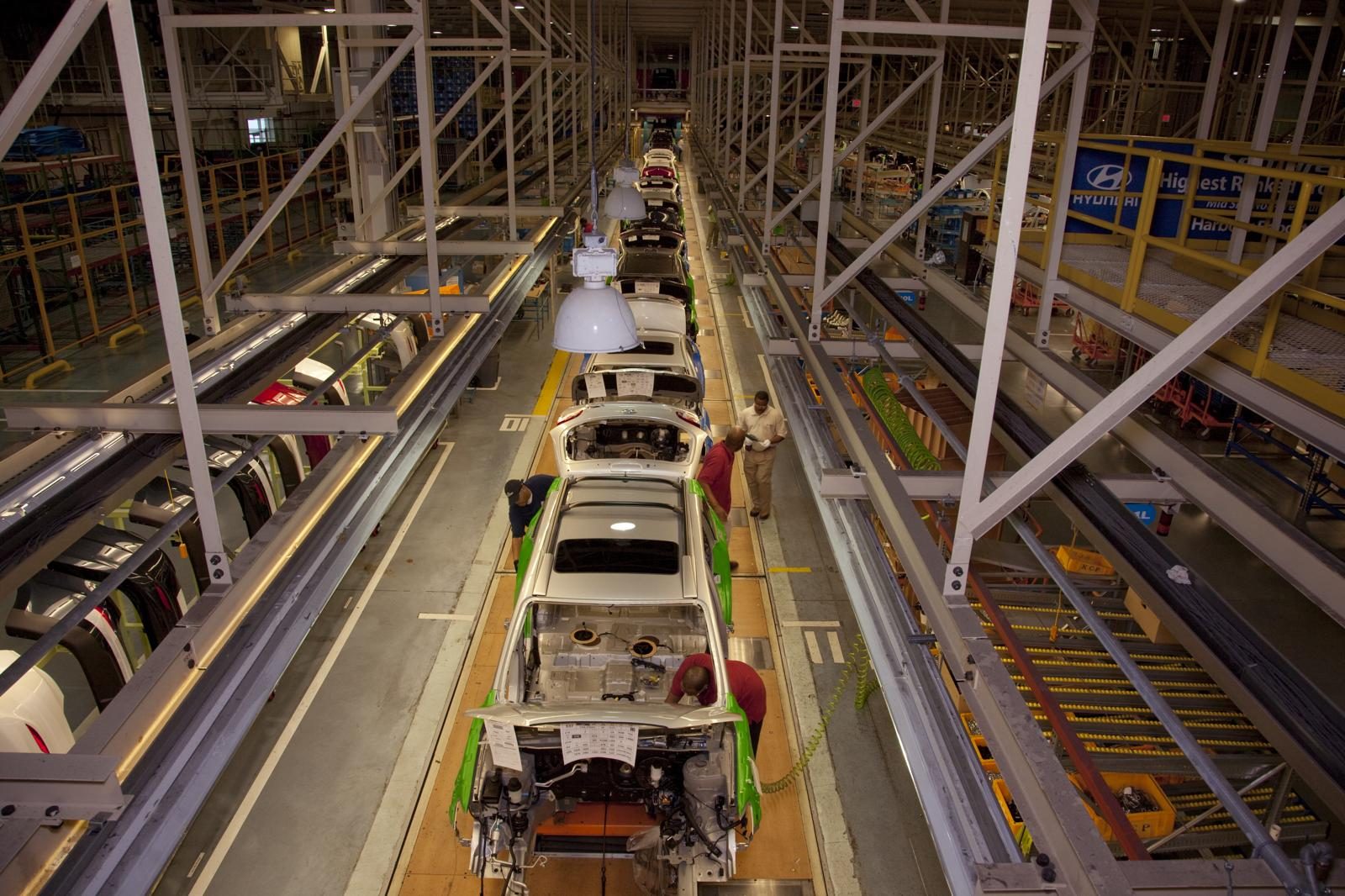
The Office of the United States Trade Representative on Wednesday found that practices tied to excess factory capacity in 14 economies are unreasonable and burden U.S. commerce, and it proposed new tariffs for public comment.
United States Trade Representative Jamieson Greer made the findings under Section 301 of a 1974 trade law, which lets the office respond to foreign practices that burden or restrict U.S. trade. The economies are China, the European Union, Singapore, Switzerland, Indonesia, Malaysia, Cambodia, Thailand, Korea, Vietnam, Taiwan, Bangladesh, Japan, and India.
USTR said the practices reduce opportunities for U.S. producers and exporters, contribute to lost U.S. factory output, exports, jobs, and investment, and raise economic security risks. The proposed duties would cover goods from those economies, with exemptions for some products.
The proposed ceilings are not the same. Vietnam faces a rate of up to 35 percent, after existing Section 301 duties. India faces up to 25 percent on that basis. Singapore faces up to 20 percent. China faces up to 20 percent on many goods, after a separate duty linked to goods made with forced labor, and up to 10 percent on goods in one annex, with further exemptions.
Bangladesh, Cambodia, Indonesia, Malaysia, and Thailand face proposed rates of up to 18 percent, after existing Section 301 duties. Japan, Korea, Switzerland, and Taiwan face rates of up to 15 percent, after most-favored-nation rates and existing Section 301 duties. For the European Union, the proposal is a 15 percent rate on the same basis, with exemptions for some goods.
For India, Singapore, and Vietnam, the Trade Representative also proposed considering lower rates if those economies reach reciprocal trade deals with the United States that respond to the findings. Those rates are 17 percent for India, 10 percent for Singapore, and 20 percent for Vietnam.
The China proposal accounts for commitments and a 20 percent tariff rate announced in the Kuala Lumpur Joint Arrangement that President Donald Trump and President Xi reached on Oct. 30, 2025. Products proposed for exemption include items on a U.S.-China trade board list recommended for lower tariff treatment.
USTR published a report for each economy. Practices it cited include industrial plans, production and export support, weak labor protections, and failure to address excess capacity, including through imports and investment from non-market economies. For China, the office also cited forced technology transfer, widespread intellectual property theft, and forced labor.
Greer has not made determinations on Mexico or Norway. The office opened investigations of 16 economies on March 11, 2026. It received testimony from nearly 140 witnesses and 1,070 comments.
“President Trump is proposing to take action to bring about the elimination of these unfair acts, policies, and practices,” Greer said.
People who want to testify must request a hearing slot and send a summary of testimony by Jan. 5, 2027. Written comments are due the same day. USTR will hold hearings on the proposed actions starting Jan. 25, 2027, and continue them as needed.