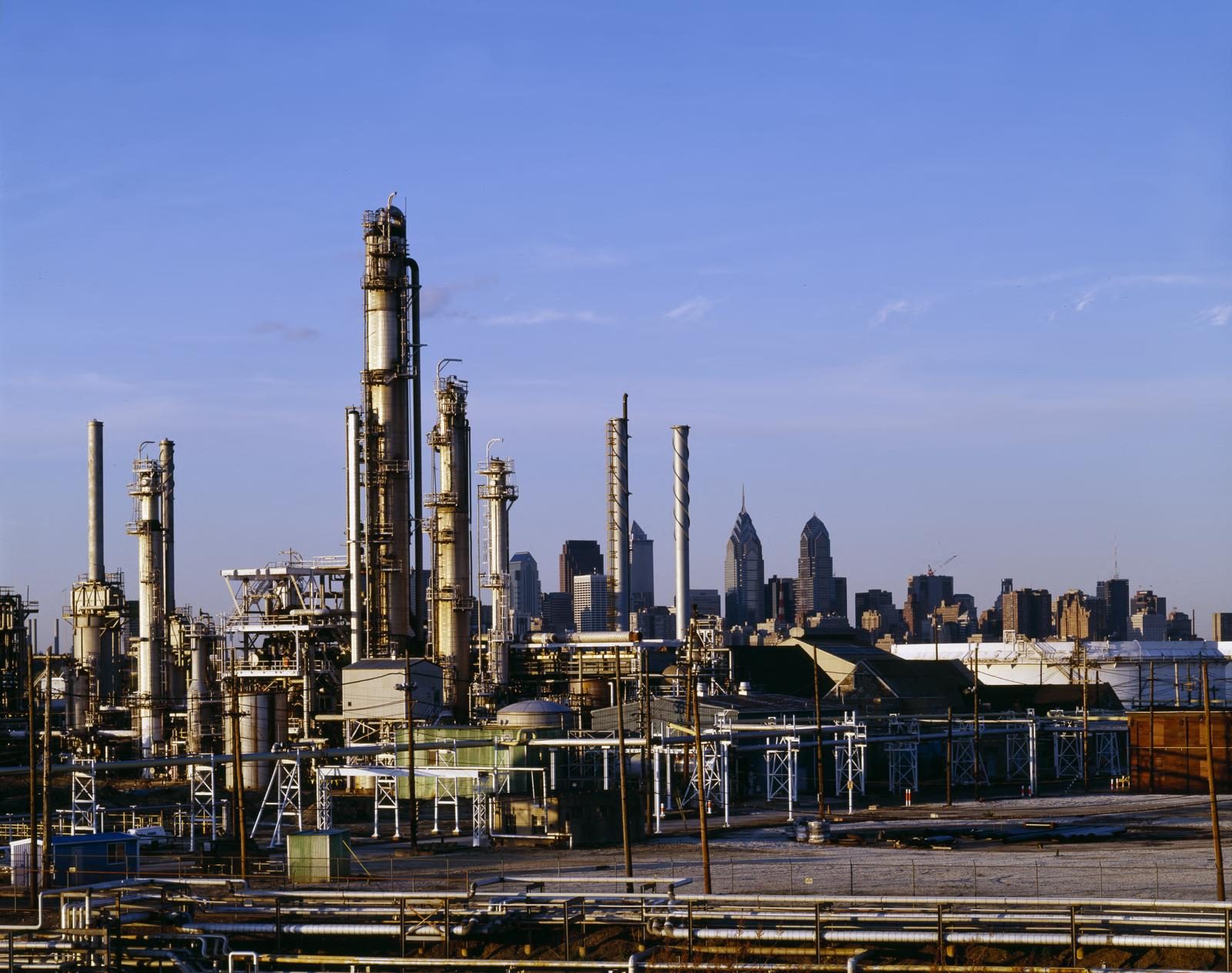
The price on a gasoline pump is built from several costs, not from one charge. It includes the cost of crude oil, taxes, refining costs and profits, and distribution and marketing, according to the U.S. Energy Information Administration (EIA). Retail pump prices also reflect the profits and losses of refiners, marketers, distributors, and retail station owners.
The four parts of the retail price
The largest component of the retail price of gasoline is the cost of crude oil, according to the EIA. Its share of the retail gasoline price varies over time and across regions of the country. Many factors influence crude oil prices, and the EIA states that higher U.S. oil production has helped to slow the rise of oil and gasoline prices.
Federal, state, and local government taxes also contribute to the retail price. The federal tax on motor gasoline is 18.40 cents per gallon. That total includes an excise tax of 18.30 cents per gallon and the federal Leaking Underground Storage Tank fee of 0.1 cents per gallon.
As of Jan. 2026, state taxes and fees on gasoline averaged 33.55 cents per gallon, according to the EIA. Sales taxes, along with local and municipal government taxes, may have a large effect on the retail price of gasoline in some locations.
Refining costs and profits
Refining costs and profits vary seasonally and by region in the United States, according to the EIA. Part of that variation comes from different gasoline formulations required to reduce air pollution in different parts of the country. The characteristics of the gasoline produced depend on the type of crude oil that is used and the type of processing technology available at the refinery where it is produced.
Gasoline prices are also affected by the cost of other ingredients that may be blended into the gasoline, including fuel ethanol. Gasoline demand usually increases in the summer, which generally results in higher prices.
Distribution, marketing, and the station
Distribution, marketing, and retail dealer costs and profits are included in the retail price of gasoline. Most gasoline is shipped from refineries by pipeline to terminals near consuming areas, according to the EIA. At those terminals, it may be blended with other products, such as fuel ethanol, to meet local government and market specifications.
Tanker trucks deliver gasoline from terminals to individual gasoline stations. Some retail outlets are owned and operated by refiners. Others are independent businesses that purchase gasoline from refiners and marketers for resale to the public.
The price at the pump also reflects local market conditions and factors, such as the fueling location and the marketing strategy of the owner. The cost of doing business for an individual retailer can vary greatly depending on where a fueling station is located. Those costs include wages and salaries, benefits, equipment, lease or rent payments, insurance, overhead, and state and local fees.
Even retail stations close to each other can have different traffic patterns, rent, and sources of supply that affect their prices, according to the EIA. The number and location of local competitors can also affect prices.
Octane grades and price gaps
Gasoline is sold based on octane levels in three primary grades: regular, midgrade, and premium. The octane level indicates gasoline’s resistance to combustion, according to the EIA. Gasoline with a higher octane is less prone to pre-ignition and detonation, also known as engine knocking.
Refiners charge more for higher-octane fuel, and premium-grade gasoline is the most expensive. From 1995 through 2006, the price difference among grades of gasoline was typically about 10 cents per gallon, according to the EIA. Since 2006, the price difference among gasoline grades has generally increased.
In 2025, the national annual average price of midgrade gasoline was about 57 cents per gallon more than regular-grade gasoline, according to the EIA. The average price for premium-grade gasoline was about 93 cents per gallon more than regular-grade gasoline.