The Centers for Medicare & Medicaid Services finalized a rule that will expand outpatient surgery options, lower out-of-pocket costs for imaging services and 340B drugs, and strengthen oversight of select services. The rule also updates 2027 payment rates for hospital outpatient departments and ambulatory surgical centers.
CMS estimates that updating payments for drugs purchased under the 340B Drug Pricing Program will save people with Original Medicare an estimated $1.1 billion in drug costs and save taxpayers an additional estimated $4.35 billion in drug expenditures. The agency said that would reduce total drug spending by approximately $5.45 billion in 2027 alone. Beneficiaries who receive a qualifying drug in the hospital outpatient department are expected to save an average of $900 in drug costs in calendar year 2027.
CMS said it is updating those rates to better reflect what hospitals pay for the medications. A CMS survey found that hospitals acquire 340B drugs at an average cost significantly below the Average Sales Price. The agency said that finding is consistent with the Medicare Payment Advisory Commission and industry reports showing that Medicare payments have substantially exceeded 340B drug acquisition costs.
The agency said the policy ensures that hospital drug discounts are passed directly to the Medicare beneficiaries who receive the drugs and to American taxpayers. “CMS is committed to spending taxpayer funds wisely and efficiently, so America’s seniors can continue getting the care they need,” said CMS Administrator Dr. Mehmet Oz.
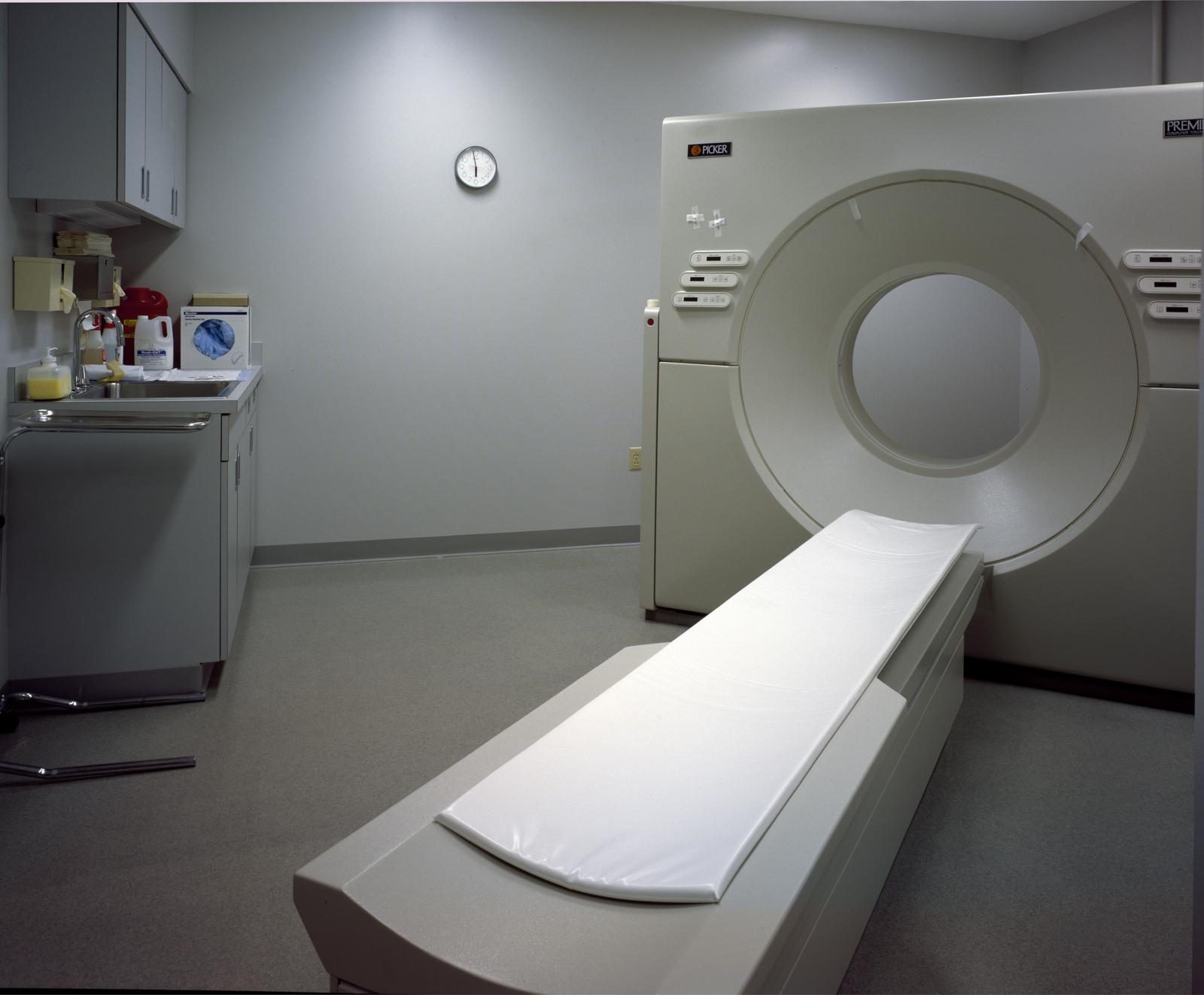
People with Medicare often face different copayments for imaging services depending on where they receive care, CMS said. The agency is extending its policy of paying the lower Physician Fee Schedule equivalent rate, rather than the Outpatient Prospective Payment System rate, for imaging without contrast services performed at off-campus provider-based departments. Those services include certain bone density scans, x-rays, ultrasounds, CT scans, and MRIs.
The same approach already applies to clinic visits and drug administration services at those locations, according to CMS. The agency estimates the change would save beneficiaries and taxpayers a total of $260 million in calendar year 2027 and over $9 billion from calendar year 2027 to calendar year 2036.
The rule continues to phase out the Inpatient Only procedure list, which will allow more services to be delivered in outpatient settings. It also continues to expand the ambulatory surgical center covered procedures list by several hundred surgical procedures. CMS said the changes give physicians more flexibility to choose an appropriate care setting and give patients more outpatient surgical options while maintaining patient safety, and that the expanded policies will often lower beneficiaries’ cost-sharing obligations.
CMS also finalized a proposal that allows hospital accrediting organizations with CMS-approved deeming authority to assess hospital compliance with certain Emergency Medical Treatment and Labor Act administrative requirements as part of routine accreditation and reaccreditation surveys. The agency said this integrates that administrative oversight into the existing deeming framework.
To address unnecessary increases in certain botulinum toxin-related services, CMS will add eight additional botulinum toxin injection codes to the list of hospital outpatient services requiring prior authorization. Hospital outpatient department claims for these eight codes rose 42.8% from 2017 to 2024, an average of 4.6% per year, while overall hospital outpatient service volume fell 8.3%, the agency said. CMS found no clinical or coding explanation for the increase.
U.S. Department of Justice reports have also documented fraudulent billing, misbranded products, and improper payments involving botulinum toxin services, according to CMS. Medicare will continue to cover medically necessary injections, including treatment for chronic migraines and certain other conditions, when a physician documents the need.
CMS said the final rule supports the Trump Administration’s broader goal of improving Medicare by promoting affordable care, patient choice, and responsible stewardship of taxpayer dollars.