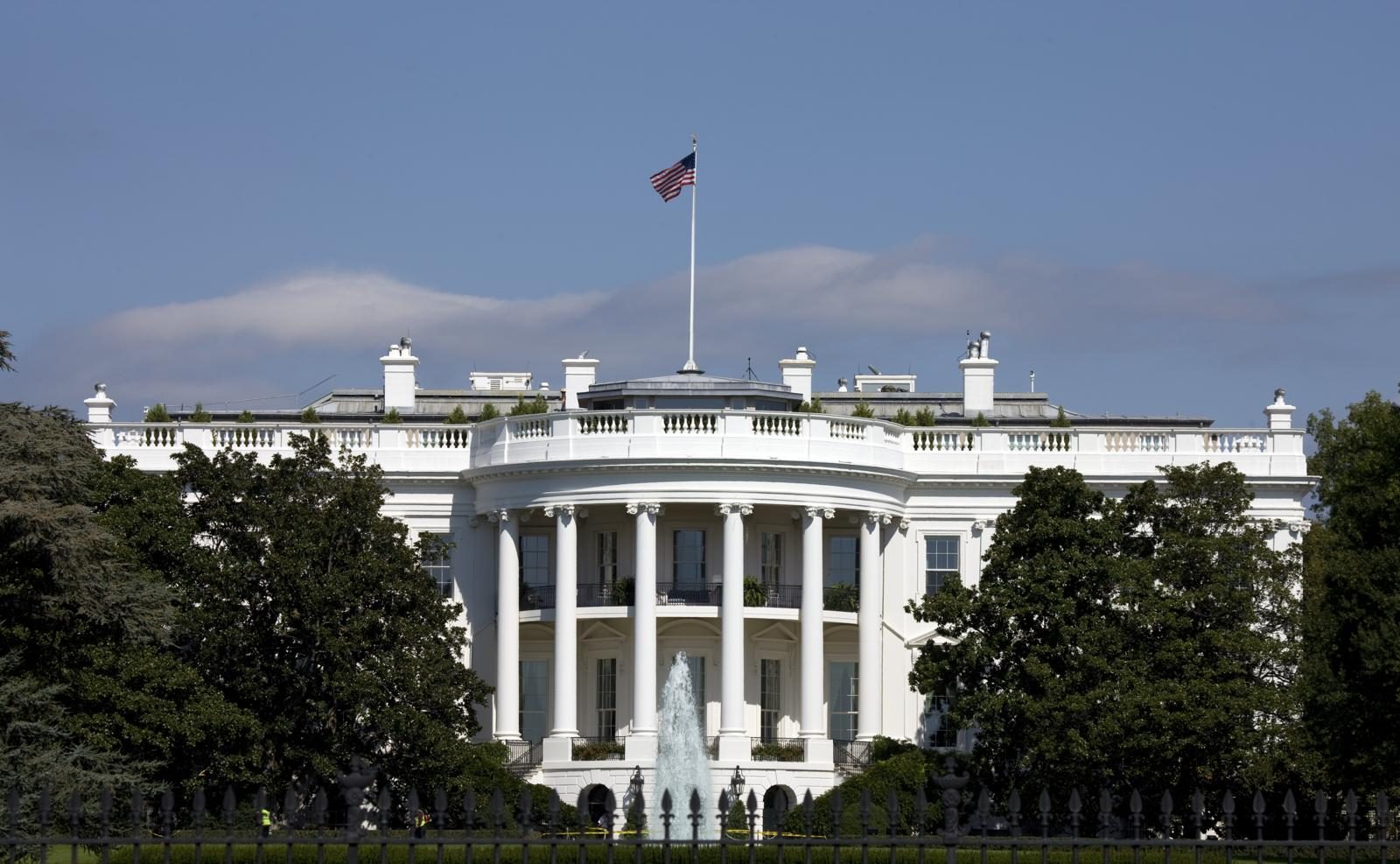
The President signed an executive order on Nov. 13, 2025, directing the Department of Health and Human Services to change how child-welfare information is handled and to build new supports for young people in foster care. The order, numbered 14359 and titled Fostering the Future for American Children and Families, was published in the Federal Register on Nov. 19, 2025.
The order directs the Secretary of Health and Human Services to take several steps within 180 days of Nov. 13, 2025. It does not announce a funding total. It also does not say that it revokes or amends an earlier order.
On data and systems, the order directs the secretary to update applicable regulations, policies, and practices. The stated goals are clearer collection, publication, usefulness, and transparency of state child-welfare data, including information on child well-being and safety. The order also calls for ending reporting requirements it describes as duplicative or as high-cost and low-value, and for publishing child-welfare data more widely and more quickly.
The same 180-day deadline covers technology. The order directs the secretary to promote newer state child-welfare information systems and effective tools for managing foster care and tracking outcomes, including through information shared with states and technical help. It directs expanded state use of technology, including predictive analytics and artificial-intelligence tools, for recruiting and keeping caregivers, matching caregivers and children, and steering federal child-welfare funding.
The order also directs the secretary to publish a scorecard every year. The scorecard is to measure state results on items the order lists: fewer unnecessary entries into foster care; less time from a maltreatment report to an investigation; fewer injuries and deaths from caregiver neglect or abuse; more caregiver recruitment and retention; better matching; fewer placement disruptions; less average time in foster care; faster permanent placement; and more partnerships with outside groups, including faith-based organizations.
A second section, also due within 180 days, assigns work to the health secretary together with the first lady’s office and the heads of other executive departments and agencies the order treats as relevant. The order directs them to establish a Fostering the Future initiative. That initiative is to form partnerships with agencies, private-sector organizations, academic institutions, and nonprofits to create education and employment opportunities for people in foster care or leaving it.
The order directs a plan to launch a Fostering the Future online platform with the National Design Studio. The platform is described as a way to assess needs of people who have been in foster care, guide them to federal, state, and local programs they may qualify for, offer a searchable database of resources, and generate customized plans. The order lists housing, education, employment, health care, and mentoring among those services.
Other tasks in that section include a strategy for funds that states return from federal programs meant to help people leaving foster care. The order says those returned funds should be used for educational success, occupational advancement, financial literacy, and self-sufficiency. It directs more flexibility in Education and Training Vouchers so people leaving foster care can reach short-term, career-focused programs that award credentials. It also directs the health secretary, with the Secretary of the Treasury and the Secretary of Education, to help states use educational scholarships created through tax-credited donations to scholarship-granting organizations for children in foster care.
A later section states no deadline. It directs the health secretary, with the Director of the White House Faith Office and the Director of the White House Office of Intergovernmental Affairs, to address state and local policies and practices that the order says inappropriately bar qualified people or organizations from federally funded child-welfare programs because of religious beliefs or moral convictions. The same officials are directed to increase partnerships with faith-based organizations and houses of worship for families whose children are in foster care or at risk of placement.
The order says it is to be carried out consistent with applicable law and subject to available appropriations. It states that it does not create a right or benefit that a party can enforce in court against the United States, its agencies, or its officers.