The president signed an executive order directing federal agencies to develop non-chemical technologies to suppress tick and mosquito populations across the United States. The order, signed Sept. 29 and published in the Federal Register on Oct. 2, 2026, aims to control disease-carrying pests through natural and technological methods rather than conventional pesticides.
According to the order, ticks and mosquitoes transmit major diseases that impose growing health and economic burdens. Invasive species like the Asian tiger and Egyptian mosquitoes are multiplying and have become dominant in some areas, spreading disease and diminishing quality of life. Expanding tick populations also expose the public, pets, and livestock to debilitating health risks.
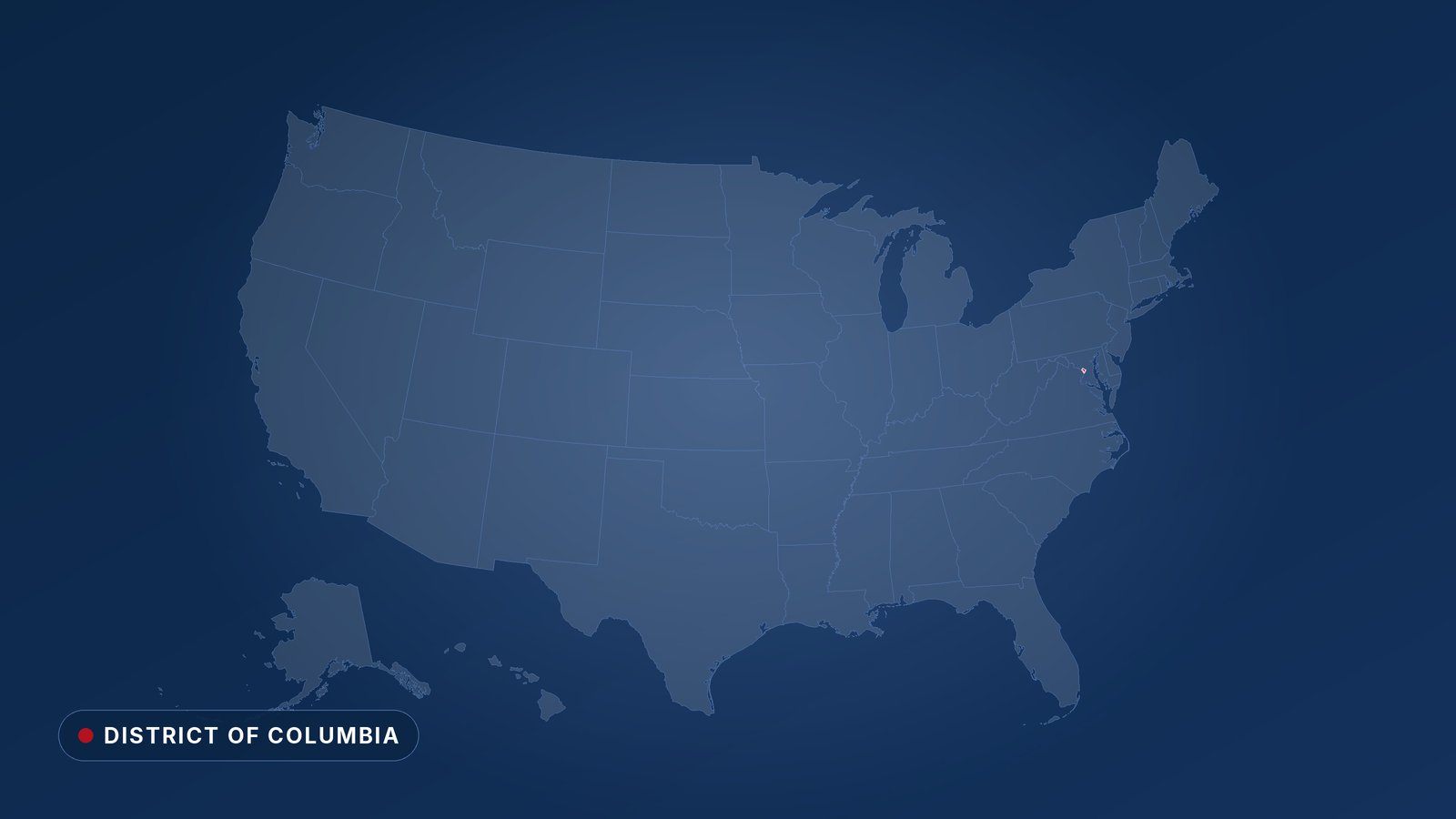
The document mandates a campaign in the District of Columbia to reduce invasive mosquito populations by 90% and the tick population by 50% by 2028. The Secretary of the Interior, Secretary of Agriculture, Environmental Protection Agency administrator, and General Services administrator have 60 days from the order’s signing to develop this plan. The order states this local effort will serve as a model for nationwide pest control.
The D.C. campaign will involve remediating breeding grounds on federal lands through landscaping and drainage improvements. Agencies are also directed to control host populations, including rodents and deer, and to use advanced solutions such as sterile insect techniques.
Within 60 days of the order, the EPA must submit a regulatory framework for developing and releasing advanced pest control technologies. The order states this framework must consider safe genetic modification, sterilization techniques, and the use of beneficial bacteria. The agency is directed to expedite the registration of novel control methods it finds safe and effective.
The order also addresses disease treatment and prevention. It directs the Department of Health and Human Services to issue prize competitions or direct research programs for diagnostics and treatments for tick- and mosquito-borne diseases within 90 days. Diseases targeted include Lyme disease, Babesiosis, West Nile, Zika, and Dengue fever.
HHS must also review candidate immunotherapy treatments for alpha-gal syndrome, a tick-borne condition. Additionally, the agriculture and health departments have 60 days to explore labeling options for food and drug products containing significant amounts of alpha-galactose, similar to other allergy warnings.