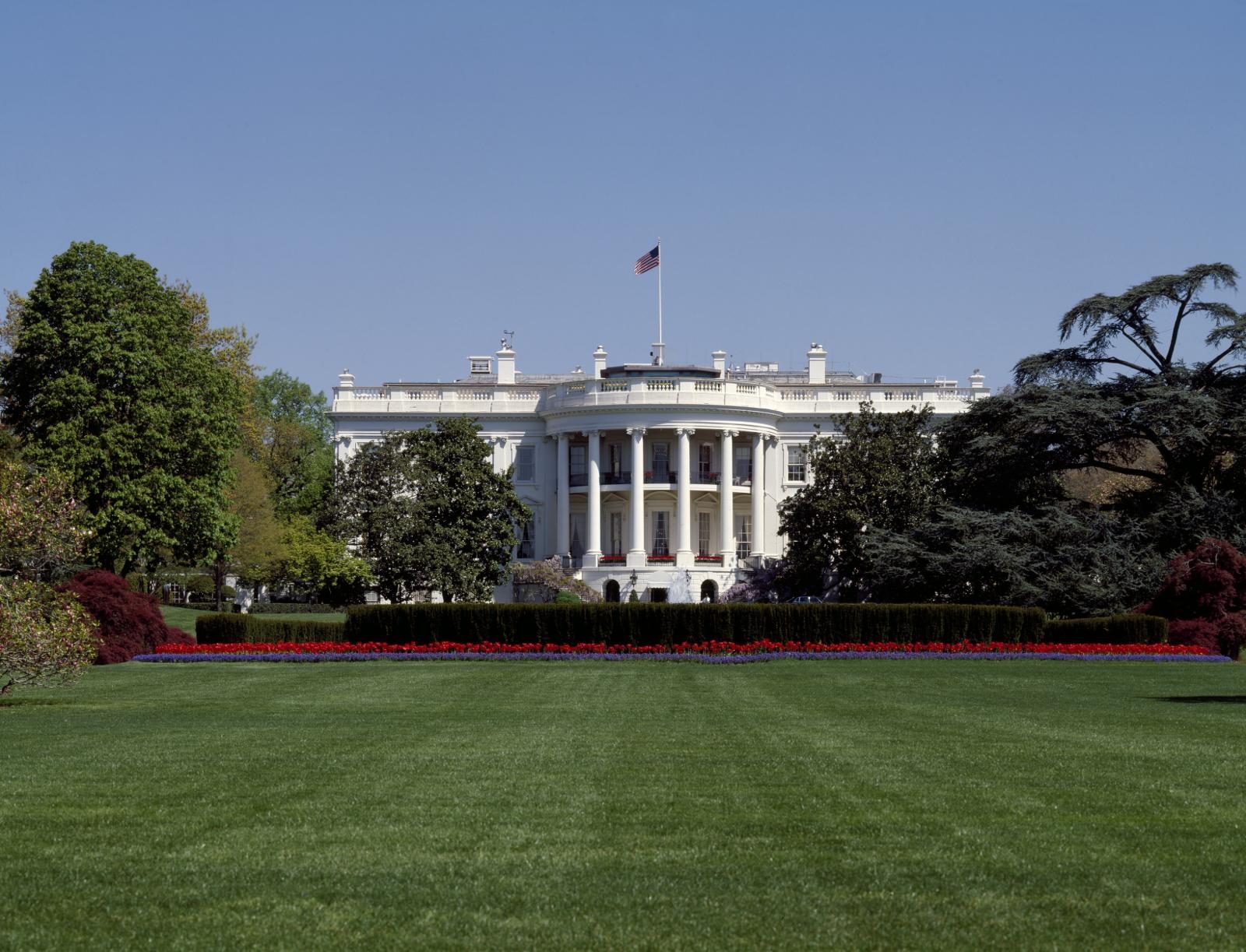
The President of the United States holds the constitutional power to grant executive clemency, which provides leniency to individuals who have committed federal crimes. According to the Department of Justice, pardon and commutation of sentence are different forms of this clemency. The Office of the Pardon Attorney assists the President by reviewing applications and making recommendations on whether to grant or deny them.
Types of executive clemency
The Department of Justice states that a pardon is an expression of the President’s forgiveness and can be granted in recognition of an applicant’s acceptance of responsibility and established good conduct. Applications for a pardon come from people who have completed their sentences and are seeking forgiveness for their offenses. A pardon removes any remaining unpaid or unserved portions of the sentence and removes civil disabilities, such as restrictions on voting or holding public office. Alternatively, a commutation reduces a sentence that is currently being served, either partially or entirely. Many applications for commutations come from individuals in prison seeking a shorter sentence.
Limitations of clemency
Neither form of clemency signifies innocence, according to the Department of Justice. A pardon does not end non-criminal civil proceedings like civil forfeitures or actions by the Securities and Exchange Commission, though it can assist in obtaining employment, licenses or bonding. A commutation does not remove civil disabilities resulting from a criminal conviction. Furthermore, the Department of Justice notes that executive clemency does not expunge a federal offense, meaning the conviction will still appear on a criminal record alongside the pardon. The President’s authority is limited to federal offenses and certain offenses in the District of Columbia, leaving state convictions to state authorities.
The application process
The Department of Justice designed the clemency system to be accessible to all eligible applicants with or without a lawyer, and the procedure begins by filing a petition. The Office of the Pardon Attorney investigates the applications and makes recommendations based on standards in the Justice Manual. In assessing commutation applications, the office evaluates whether the applicant would likely face a lower sentence under current law and policy, prioritizing individuals serving outdated and overly lengthy terms of imprisonment who have demonstrated rehabilitation while incarcerated. Between 2022 and 2024, the office reviewed approximately 12,000 clemency applications, according to the Department of Justice.
How applications are decided
The executive clemency procedure is a written process with no hearings, though a background investigation may be conducted by the Federal Bureau of Investigation. Every clemency application submitted is decided by the President, except when closed administratively. The Department of Justice states that an application must be closed administratively if an applicant withdraws it, repeatedly fails to respond to requests for information, dies before a decision is made, is no longer a resident of the United States, or is released from federal prison during the processing of a commutation petition that seeks only a prison sentence reduction. If a President does not reach a decision before their term ends, the application remains open until resolved by a later President. The advice provided by the Pardon Attorney does not limit the President’s constitutional power, and only the President can grant clemency.
After a decision is made
Presidential grants are a matter of public record, according to the Department of Justice. The Office of the Pardon Attorney publicly lists the names of individuals granted clemency, alongside their offense, district of conviction, sentencing year and the date of the grant. The Department of Justice states that Presidents may choose to provide reasons for granting clemency or remain silent. If an application for a pardon is denied, the applicant may reapply 24 months after the date of denial. Individuals denied a commutation may reapply 12 months after the date of denial.