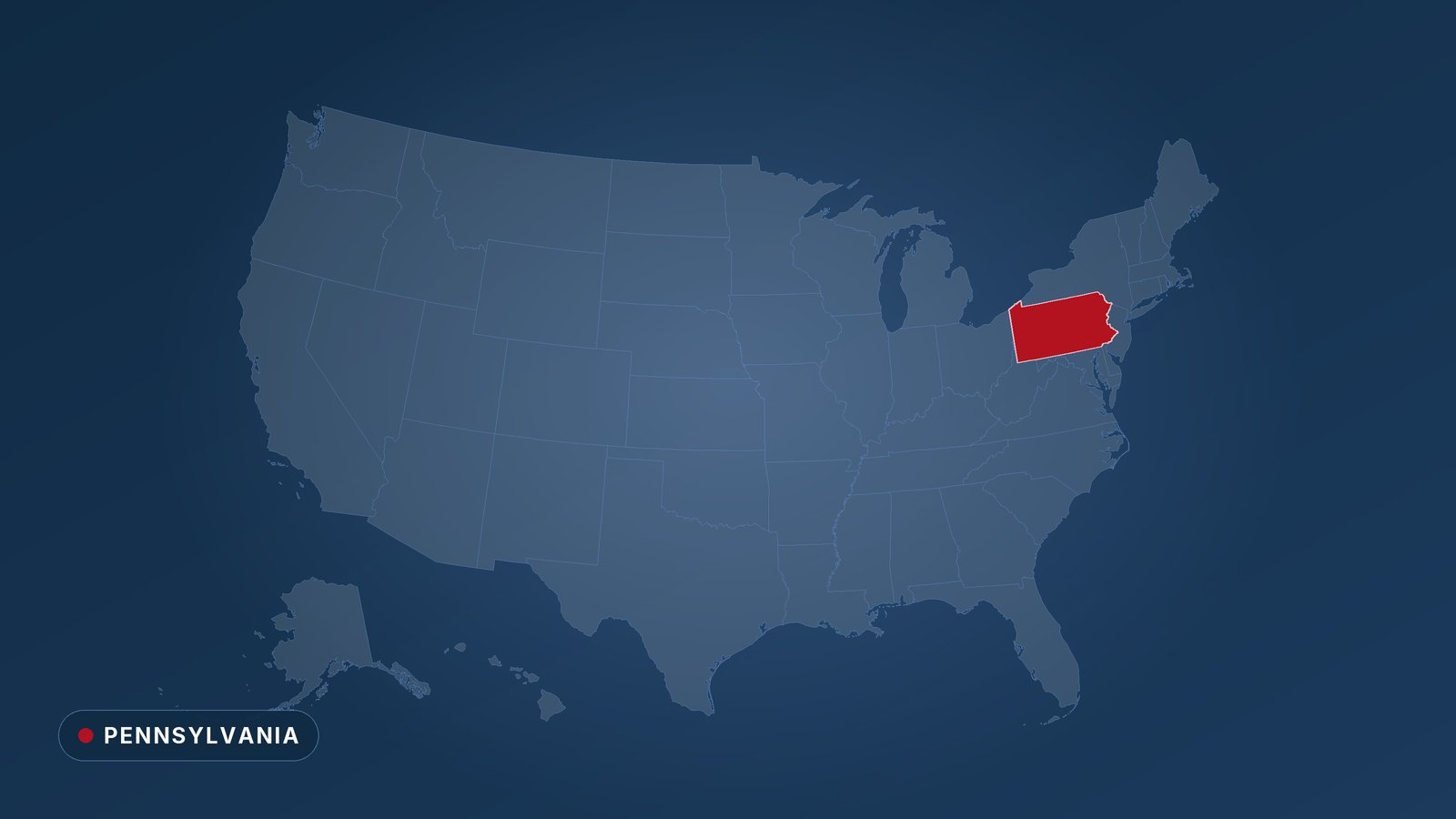
The U.S. Department of Justice on Thursday, November 5, 2026, filed a lawsuit against the Pennsylvania State University, saying the school violates federal law by offering in‑state tuition to undocumented students while denying reduced rates to U.S. citizens, according to the department.
The department said the university’s approach “unconstitutionally discriminates against U.S. citizens who are not afforded the same reduced tuition rate,” and conflicts with federal law. Associate Attorney General Stanley E. Woodward, Jr. said the department is working to ensure that “no state law or university policy gives preferential treatment to illegal aliens over our Nation’s own citizens.”
According to the complaint, the United States seeks a court order stopping Penn State from applying a policy that gives in‑state rates to undocumented students, including illegal aliens living in Pennsylvania, without regard to lawful presence. The filing also asks the court to bar the university from adopting any new tuition rules that would advantage undocumented students over U.S. citizens, the department said.
Assistant Attorney General Brett A. Shumate of the Civil Division said Congress set a rule that states and their public colleges may not provide tuition benefits to illegal aliens unless those benefits are also available to all U.S. citizens. Shumate said, “This university has ignored that mandate.”
The department said this case is its 27th lawsuit challenging in‑state tuition for illegal aliens. It said that under Attorney General Todd Blanche, six cases in Texas, Kentucky, Oklahoma, Nebraska, Illinois and Kansas produced favorable orders that permanently blocked and declared unconstitutional similar laws, including an order from the Fifth Circuit.
The department did not say where the case was filed. The department did not say how many students are affected. The press release did not include a response from the university.
The department directed readers to the Civil Division’s Enforcement & Affirmative Litigation Branch page for more information on its enforcement efforts.