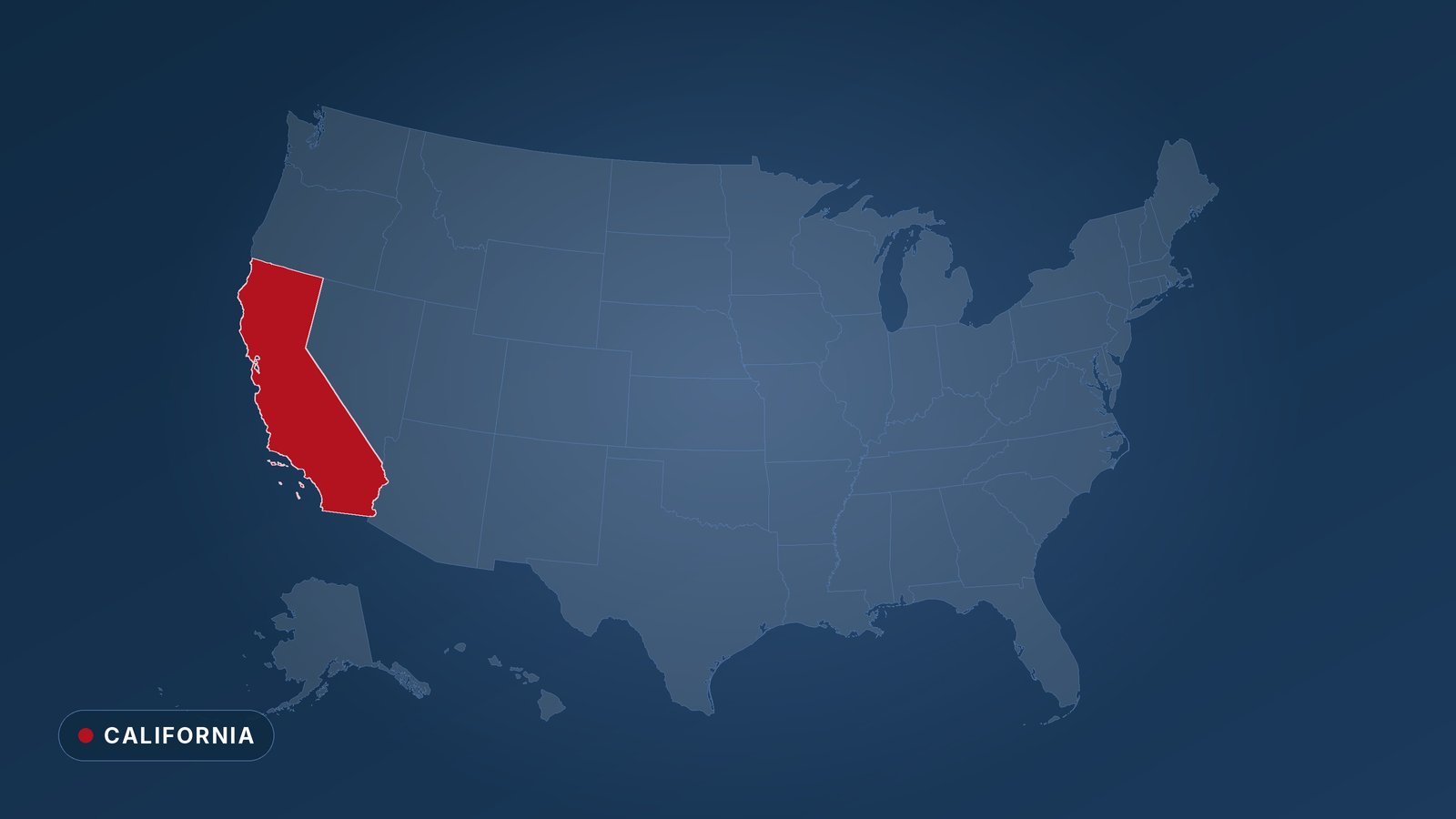
The state of California on Tuesday announced up to $4 million in total funding for research into psychedelic treatments for veterans.
The funding aims to support partnerships between nonprofit academic research institutions and veteran groups to study personalized treatments and address disparities in health outcomes, according to the governor’s office.
The California Initiative for Precision Medicine is opening a request for applications for research projects lasting three to four years. Funding was allocated through Assembly Bill 113, signed by Governor Gavin Newsom earlier this year.
The governor’s office said recent studies have shown certain psychedelics to be effective in treating conditions such as depression, anxiety disorders, and substance use disorders, with some studies showing promise for veterans with PTSD. Data from the U.S. Department of Veterans Affairs shows that in 2021, 41.9% of veterans who recently used the agency’s health care system were diagnosed with a substance use or mental health disorder.
Lindsey Sin, secretary of the California Department of Veterans Affairs, said engaging veterans directly in the research process can deepen the understanding of psychedelic treatments and their potential to improve health outcomes. California Health and Human Services Secretary Kim Johnson said the initiative brings leading researchers and veteran communities together to explore new approaches to care.
The effort marks the third consecutive year the state has advanced legislation supporting research into these treatments, according to the governor’s office. In October 2025, Newsom signed AB 1103 to expedite the research approval process, and in 2024, he signed AB 2841 to eliminate certain research barriers.
The California Initiative for Precision Medicine, part of the California Health and Human Services Agency, launched in 2015 to enable precise, individually targeted disease prevention, diagnosis, and treatment. Dr. David Reiner, chief science officer of the initiative, said applying a precision medicine approach ensures meaningful insights and community engagement.
Applicants must submit a non-binding letter of intent by Dec. 18, 2026, followed by an initial application due Feb. 19, 2027.