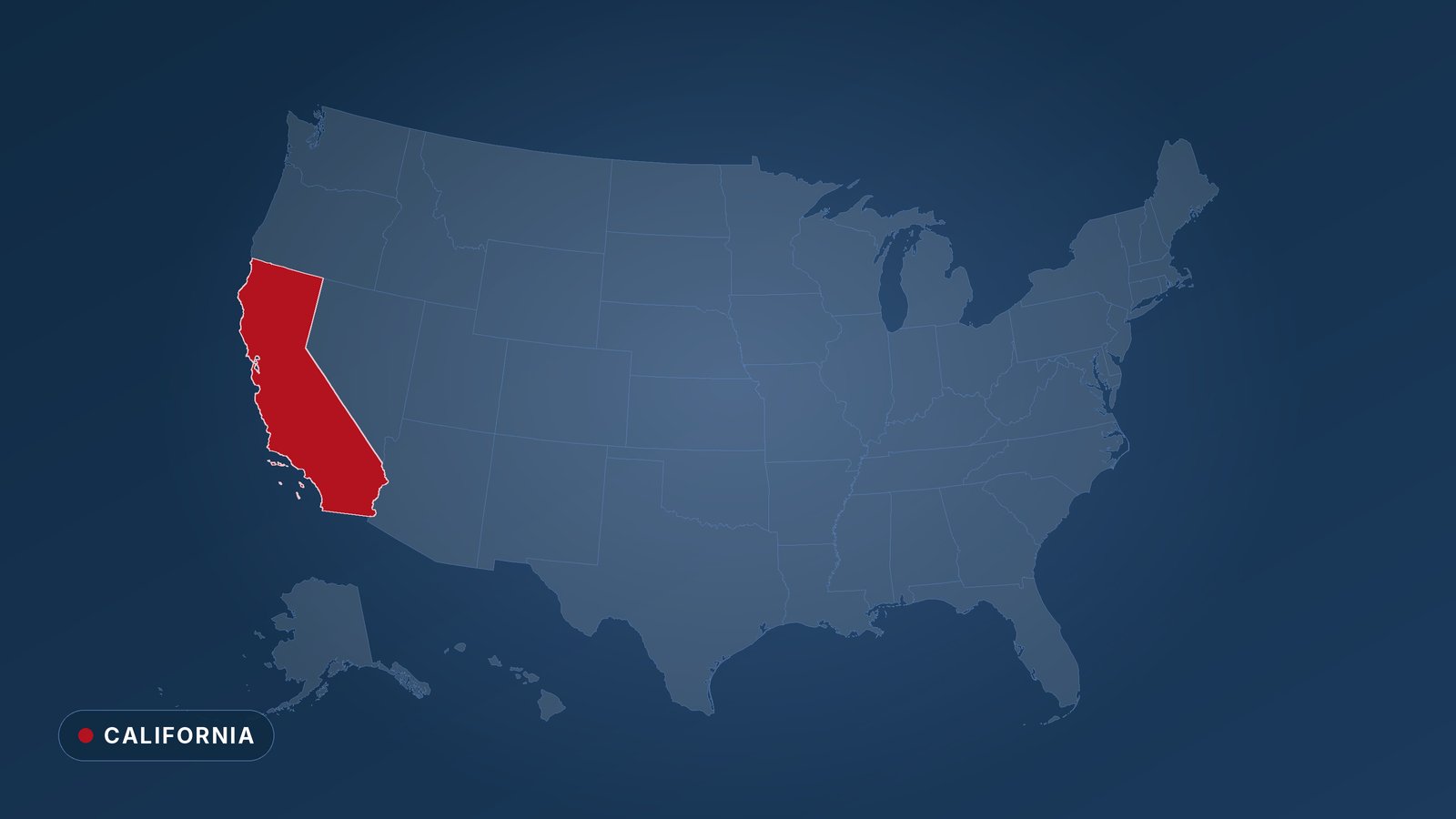
California is partnering with 112 community organizations to help prevent opioid and stimulant use, reduce overdose risk and connect people to treatment and recovery services, Governor Gavin Newsom’s office announced Oct. 30.
The effort runs through the California Department of Health Care Services’ Opioid and Stimulant Use Disorder Prevention and Education Program. The state said the program is investing more than $21 million statewide.
According to the announcement, the organizations will provide outreach and education, distribute naloxone, host workshops, offer peer navigation and strengthen local links to treatment and recovery services. Naloxone is a medication that can reverse an opioid overdose.
The awarded organizations will carry out their work from Sept. 1, 2026, through Aug. 31, 2027. The state said activities will be tailored to each community. They include awareness campaigns, naloxone training, town halls and events designed with community leaders, and partnerships with health care providers, schools, tribes and faith-based groups.
The program is funded through the State Opioid Response IV grant from the Substance Abuse and Mental Health Services Administration, a federal agency. The announcement says the grant program aims to increase access to medications approved by the Food and Drug Administration for treating opioid use disorder. It also supports prevention, treatment and recovery services for opioid use disorder and related substance use disorders.
The state reported results for the program from September 2024 to September 2025. In that period, 28,109 patients received opioid use disorder treatment services and 6,713 received stimulant disorder treatment. Another 24,274 received recovery support services, such as recovery housing, coaching, employment support and case management, and 14,090 new patients started medications to treat opioid use disorder. The state estimated that 164,349 people, including 11,029 school-aged youth, received prevention education.
Department of Health Care Services Director Michelle Baass said the investments let local partners “meet people where they are, reduce stigma, and open doors to vital services.” Newsom said in a statement that California is working with local organizations people know and trust to expand prevention, education and paths to treatment.
The announcement also described other state efforts. The state offers CalRx-branded over-the-counter naloxone at a lower price, and eligible California entities can get free kits from the Naloxone Distribution Project. The state said those kits have reversed more than 460,000 overdoses. It also said it is working with local law enforcement and expanding the California National Guard’s role in drug interdiction across the state and at the border.