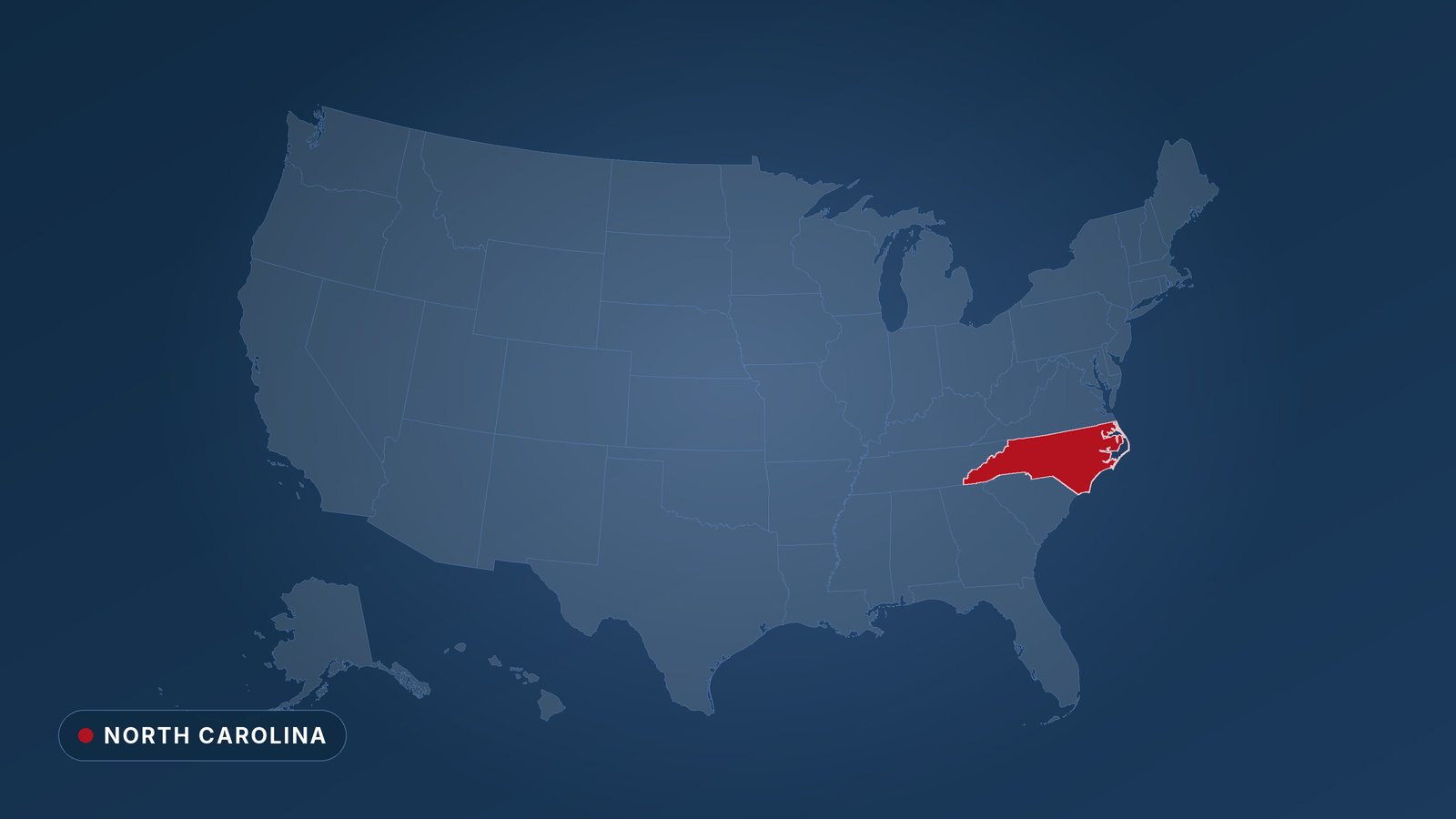
Governor Josh Stein on Thursday announced an $11.3 million expansion of the Child Care WAGE$ salary supplement program over three years to support the early education workforce in counties affected by Hurricane Helene, according to the governor’s office. The targeted funding will support educators in 39 counties the state said were heavily impacted by the hurricane.
The release said the expansion is meant to help retain early childhood staff and stabilize child care so parents can work during recovery. “Early childhood educators are unsung heroes,” Governor Stein said. The Child Care WAGE$ program provides education-based, biannual salary supplements to low-paid family child care providers, early childhood teachers, directors, and other staff who work with children from birth through age five in licensed facilities.
According to the release, WAGE$ is designed to combat low base wages and reduce high turnover by rewarding educators who advance their formal early childhood education. Participants receive supplements after completing six consecutive months in the same facility, and both full- and part-time educators may be eligible. The release said turnover among WAGE$ participants in North Carolina was 14% in 2026, compared to a 38% state average noted in a 2023 NC Workforce Study.
The governor’s office said the funding comes from a $75 million award to the state from the Administration for Children & Families’ Office of Child Care through the American Relief Act’s Disaster Supplemental Funds for Child Care. In partnership with Early Years Inc., the initiative will establish WAGE$ in Ashe, Madison and Watauga counties, which are not currently served by the program. It will also provide an additional annual incentive in the other 36 Helene-affected counties that already offer WAGE$, estimated at $1,350 per participant.
The release said this workforce initiative aligns with recommendations from the NC Task Force on Child Care and Early Education. The North Carolina Department of Health and Human Services pursued the disaster funding and collaborated with the Governor’s Recovery Office of Western North Carolina to identify four uses for the funds, including workforce stabilization. “Investing in direct salary supplements is one of the best ways to stabilize and retain our early childhood workforce,” said NCDHHS Division of Child Development and Early Education Director Candace Witherspoon.
In Ashe, Madison and Watauga, the opportunity to apply for salary supplements will open in November 2026, and supplement checks in these three counties will become widely available by spring 2027 for eligible participants, the release said. Annual incentives for individuals in the other 36 Helene-affected counties are expected to begin in January 2027.
Additionally, the North Carolina Department of Health and Human Services is requesting child care facilities in disaster-impacted counties update and complete their Disaster Impact Reports for Tropical Storm Debby and Hurricane Helene. The release said reports submitted by child care operators are under review, and reimbursements began on Oct. 30, 2026, and will continue on a rolling basis. The state said funding is still available to licensed child care operators in Helene-impacted counties through the North Carolina Partnership for Children.