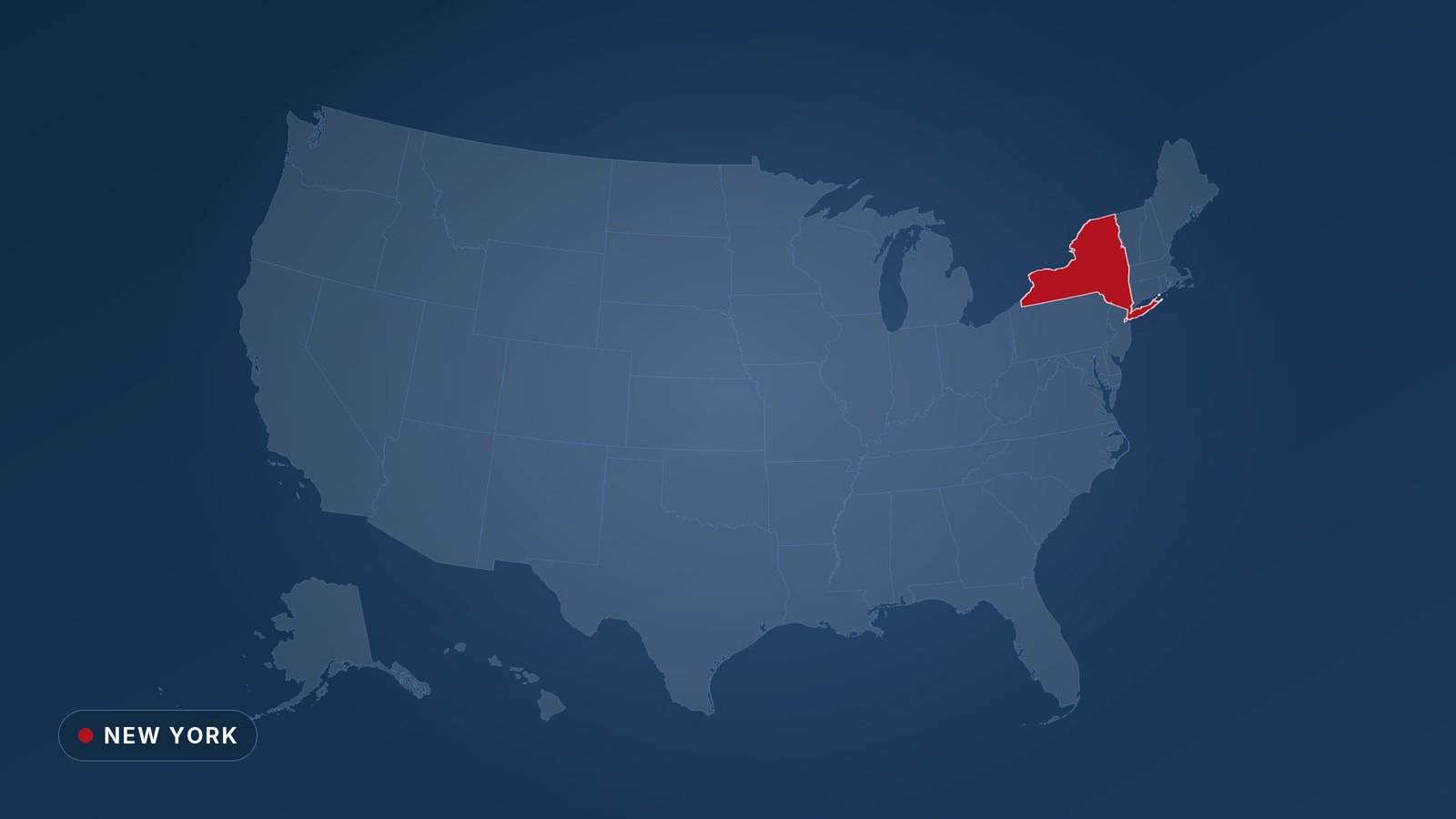
New York Gov. Kathy Hochul on Monday signed a law that bans the sale of kratom products containing high levels of 7-hydroxymitragynine, known as 7-OH, and sets fines for sellers who break the rule.
The measure, S8925A/A9156B, prohibits selling any product with 7-OH above 2 percent of its total alkaloids or above one milligram per serving. Alkaloids are the active chemical compounds in a plant. According to the governor’s office, naturally occurring kratom generally has low levels of 7-OH, but many products sold at gas stations, smoke shops and other stores in the state contain stronger, laboratory-made 7-OH in much higher amounts.
The governor’s office said those products can act more strongly, in a way similar to opioids, and have been tied to a risk of dependence, withdrawal symptoms and other health problems. Hochul said New Yorkers should have confidence that neighborhood stores are not exposing them to “dangerously concentrated opioid-like compounds” without safeguards.
Businesses that knowingly violate the law face civil penalties of up to $500 for a first violation and up to $1,000 for each later violation. Money collected from the penalties will go to the New York State Drug Treatment and Public Education Fund. The announcement did not say when the law takes effect or which agency will enforce it.
The law follows two bills Hochul signed in 2025. They banned the sale of kratom to people under 21 and required ingredient lists and warning labels on products.
State Health Commissioner Dr. James McDonald said kratom is not yet regulated at the federal level. He said the new rules should help consumers know what they are buying and keep dangerously concentrated products off shelves. Dr. Chinazo Cunningham, commissioner of the state Office of Addiction Services and Supports, said the products can mimic the effects of both stimulants and opioids and in some cases lead to addiction and withdrawal symptoms.
Assemblymember Phil Steck said the issue came to his attention after the death of Ballston Spa resident Nick Scribner in November 2024, which he described as kratom-related. Steck, who chairs the Assembly Committee on Alcoholism and Substance Abuse, said 7-OH products are 13 times more potent than morphine. State Sen. Christopher J. Ryan said the products have been marketed in ways that make them seem harmless.
The governor’s office noted that kratom is not regulated at the federal level and has not been approved by the U.S. Food and Drug Administration, so its safety and effectiveness have not been established. It also said the Drug Enforcement Administration has announced its intent to publish a temporary order. The order would place 7-OH over a set limit in the Controlled Substances Act’s schedule I, the federal category for drugs with no accepted medical use.
The State Department of Health has developed resources with background and safety information on kratom for the public and best-practice guidance for clinicians. The Office of Addiction Services and Supports has also provided information on the effects of kratom and 7-OH.
The governor’s office encouraged New Yorkers with a health concern linked to kratom sold in the state to contact Poison Control, and to call 911 in an emergency. People struggling with addiction can call the state’s HOPEline at 1-877-846-7369 or text HOPENY to 467369.