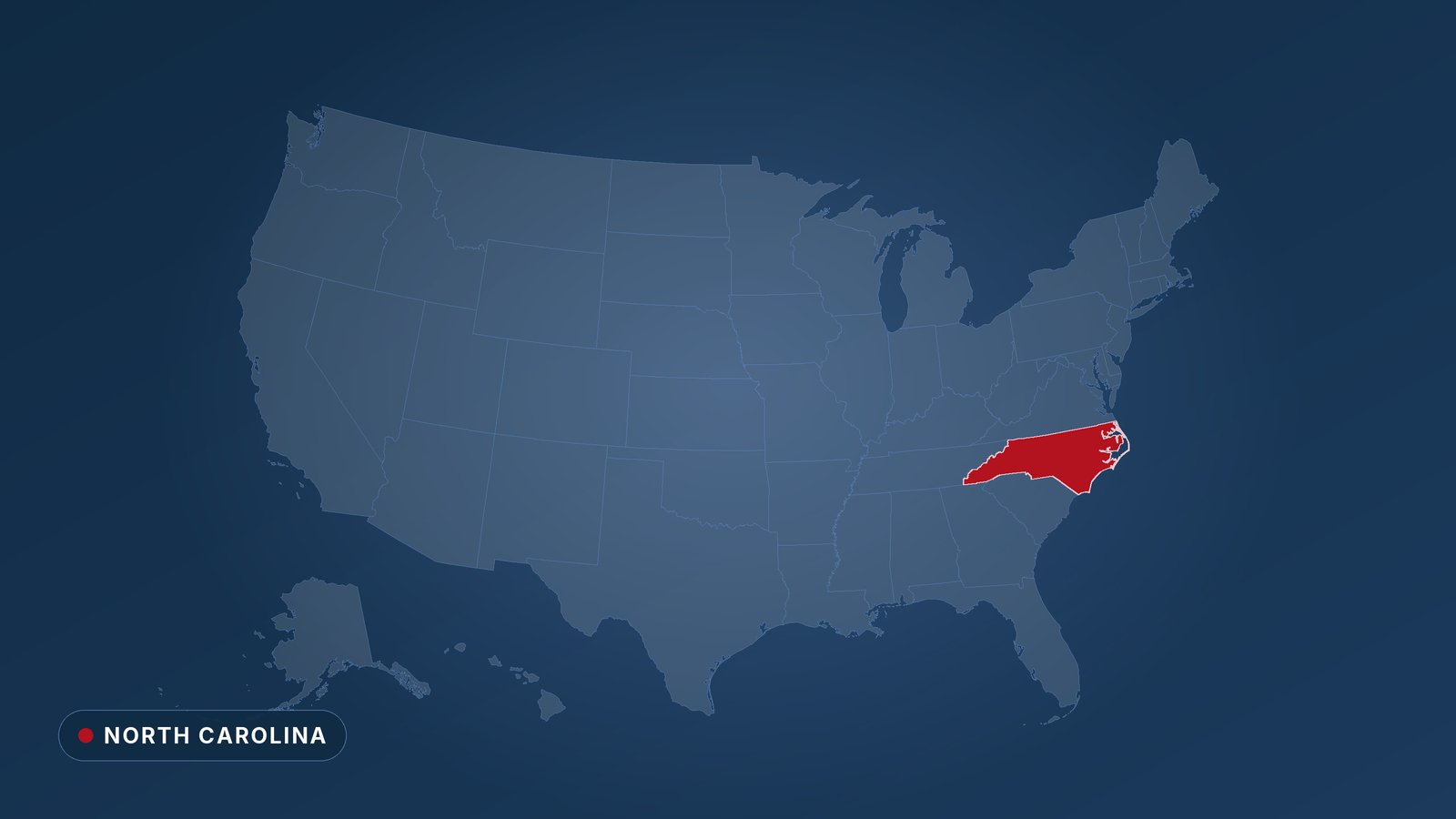
The North Carolina Department of Health and Human Services launched a new dashboard that lists every Year 1 project funded by the state’s Rural Health Transformation Program, the Governor’s office said. The dashboard shows the counties served, the amounts committed, and brief descriptions of the work.
The announcement follows an initial $100 million award from the U.S. Centers for Medicare & Medicaid Services for Year 2 funding, with additional funding to follow, according to the state. The program aims to improve health care in rural communities, help people get better care, and maintain rural health services, the state said.
Governor Josh Stein said, “We will continue to put these dollars to work for rural North Carolinians.” He said investments in people, services, and technology are intended to make it easier for families to get care close to home.
In the first year, the state said it built the statewide and regional structure to carry out a five-year transformation plan while leveraging proven programs to move funding and services into rural areas quickly. The department said the second year will build on that foundation, moving more of the work from planning and start-up into implementation throughout the state.
More than 3.5 million North Carolinians live in rural communities, giving North Carolina the second-largest rural population in the country, the state said. It cited challenges that include insufficient numbers of health care providers, risk of hospital closures, high rates of chronic health conditions, and differences in access to care and health outcomes.
The state said it obligated all funds allocated to North Carolina in the first year of the program. It said those investments will strengthen the rural health care workforce, improve technology, and help communities connect people to the care and support they need. NCDHHS said it recently released an Annual Report highlighting the work of the program for the first year.
“Our work is rooted in reaching people where they are,” said NC Health and Human Services Secretary Dev Sangvai. He said the program aligns with the department’s goal to transform rural health in North Carolina.
The state said NC ROOTS Hubs will continue to help carry out the work on the ground in rural communities. Over the past four months, Hub staff worked with health care providers, community organizations, and residents to assess needs and identify priorities in each region, according to the department. NC ROOTS Hubs will soon begin funding projects and creating new opportunities for rural providers and community organizations that best address local challenges in health care access and delivery, the state said.
During the four months allotted for implementation of Year 1 programming, the department said it established NC ROOTS Hub Leads serving six regions, formed regional governing bodies, convened partners, and completed needs assessments. It said it invested $10 million in 39 local EMS agencies to help paramedics start medication treatment for opioid use disorder, connect patients to ongoing care, and provide support in their homes. It said it increased access to telehealth treatment and support for young adults experiencing a first episode of psychosis and announced funding to expand school-based health centers. It also said it brought an evidence-based diabetes prevention program to 18 southeastern counties to help people at high risk prevent or delay type 2 diabetes.
The state said the federal government created the Rural Health Transformation Program to help states improve health care in rural communities. North Carolina was awarded more than $213 million in the first year, and the federal program will provide funding for five years, with future funding based in part on state progress and federal funding decisions, according to the department. The state said the same federal law that created the program, H.R. 1, reduces federal Medicaid funding to states, and North Carolina is projected to lose tens of billions of dollars for health care over the next 10 years as a result.
Information about funding opportunities for the program can be found on the grant opportunities website, and updates are available by signing up for the NCRHTP newsletter, the state said.